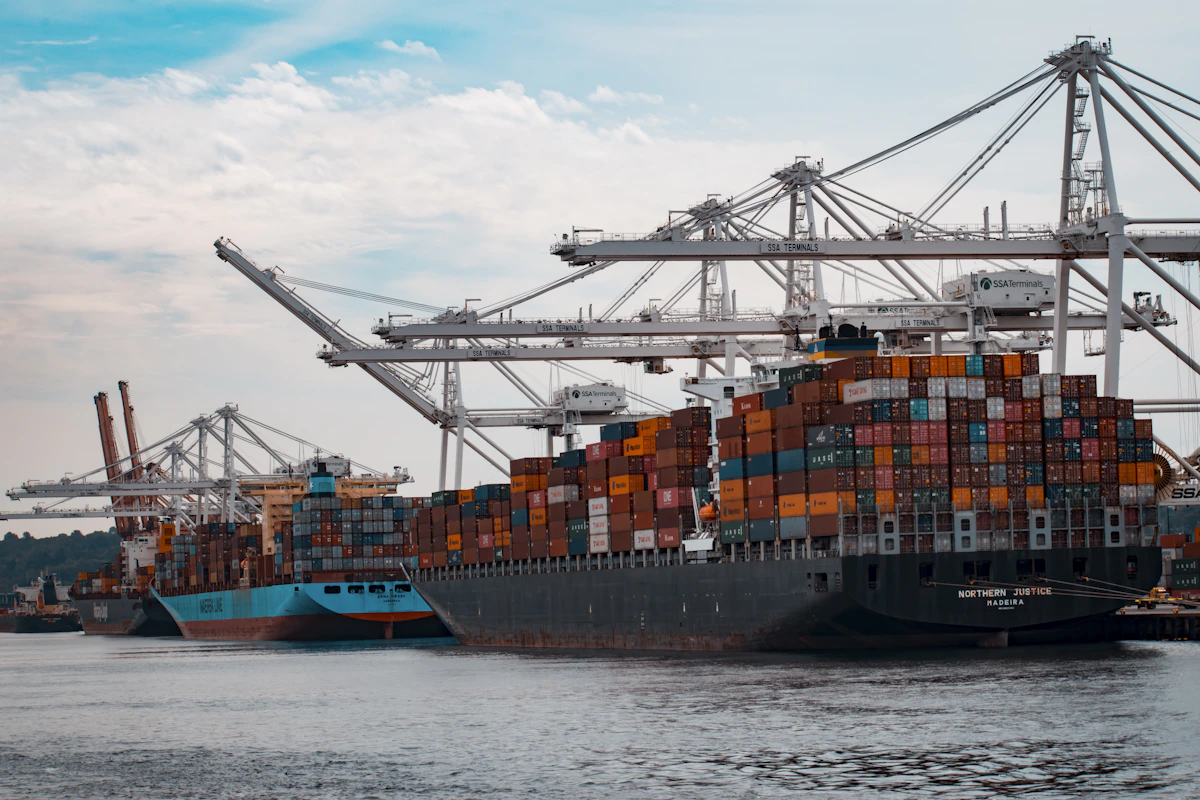
Trade Finance: A Complete Guide for Trading Companies
Trade finance encompasses the instruments, products, and mechanisms that enable trading companies to fund international transactions, manage payment risk, and optimise working capital across borders.

Trade finance is the lifeblood of international commerce. Without access to appropriate financing instruments, even the most commercially compelling trade transactions can fail — the timing mismatch between when a seller needs to be paid and when a buyer is willing to pay is simply too large to bridge without financial intermediation.
Understanding the full range of trade finance instruments, and knowing which is appropriate for which situation, is a core competency for any company engaged in international trade.
Letters of Credit
The letter of credit (LC) remains the gold standard of trade finance instruments for transactions between parties with limited prior relationships or where goods are crossing jurisdictions with different legal systems.
Under an LC arrangement, the buyer's bank issues a payment undertaking to the seller's bank, promising to pay a specified amount upon presentation of specified documents (typically including the bill of lading, commercial invoice, packing list, and certificate of origin). The seller's bank confirms the LC, providing an additional layer of security.
The key advantage of an LC is that it shifts credit risk from the buyer to the buyer's bank — a generally stronger credit than the buyer itself. The seller can be confident of payment as long as they comply strictly with the documentary requirements of the LC.
Documentary Collections
Documentary collections (DCs) are less secure than letters of credit but significantly cheaper and faster to arrange. Under a DC, the seller ships the goods and sends the shipping documents through their bank to the buyer's bank, which releases them to the buyer against payment (documents against payment) or against acceptance of a draft (documents against acceptance).
DCs are appropriate where the seller has established confidence in the buyer's willingness to pay and the buyer's country has a reliable banking system, but the parties want more security than simple open account trading.
Supply Chain Finance
Supply chain finance (SCF) programmes, also known as reverse factoring, allow buyers to extend their payment terms while giving suppliers the option to receive early payment at competitive rates funded by the buyer's banking facility.
From the supplier's perspective, SCF provides access to financing at rates reflecting the buyer's creditworthiness rather than their own — often significantly cheaper. From the buyer's perspective, SCF extends payment terms, improving working capital, while maintaining supplier goodwill.
Trade Credit Insurance
Trade credit insurance protects sellers against the risk of buyer default or insolvency. Premiums typically range from 0.1% to 0.5% of insured turnover, depending on buyer quality and country risk. For companies trading with new or emerging market buyers, trade credit insurance can make the difference between being willing to offer commercial terms at all.
Our editors curate the most important stories every morning. Join 50,000+ professionals who start their day with Bizpedia.
No spam. Unsubscribe any time.
Editorial Board at Bizpedia delivers expert analysis and breaking coverage across global markets, trade intelligence, and business strategy — combining deep industry expertise with rigorous reporting standards to provide actionable intelligence for business leaders worldwide.