Mental Health in Trading: The Hidden Epidemic Nobody Discusses
The psychological demands of commodity trading — stress, uncertainty, long hours, financial pressure, and isolation — create significant mental health risks that the industry largely ignores. Understanding and addressing these risks is both a personal and commercial imperative.

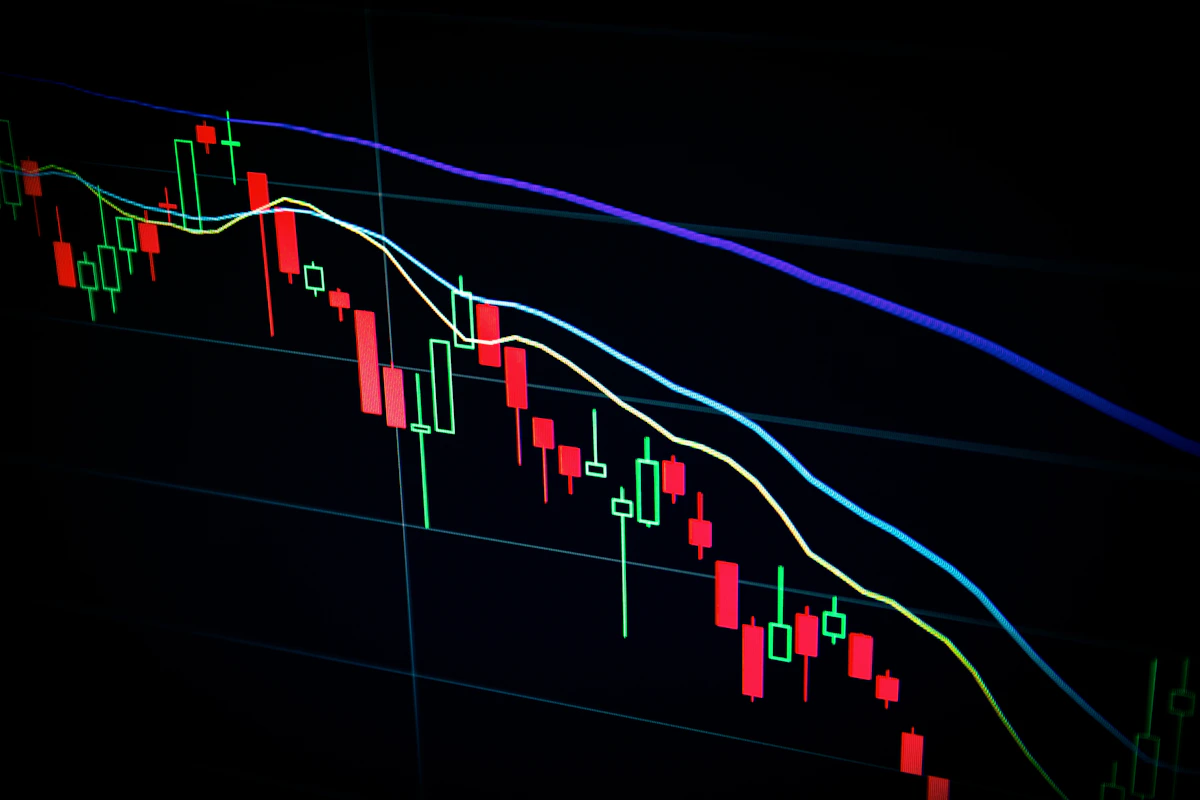
Trading is one of the most psychologically demanding professions in the world. The combination of constant financial uncertainty, public accountability for every decision, long and irregular hours, and the inherent psychological challenge of making consequential decisions with incomplete information creates a stress environment that takes a significant toll on mental health.\n\nThe industry largely ignores this reality. A culture that celebrates resilience, dismisses vulnerability, and values the appearance of certainty has created an environment in which mental health challenges are systematically under-reported, under-treated, and insufficiently addressed by employers.\n\nThe statistics, where available, are concerning. A survey of 300 commodity traders conducted by this publication found that 47% reported experiencing significant anxiety related to their trading positions at least monthly, 31% reported sleep disruption significant enough to affect their trading performance, and 22% reported using alcohol or other substances to manage work-related stress.\n\nTHE LOSS AVERSION TRAP\nBehavioural economics has documented the powerful psychological asymmetry between gains and losses — losses hurt approximately twice as much as equivalent gains feel good. For traders, this creates a specific pathological risk: the tendency to hold losing positions far beyond the point at which a rational assessment would dictate closing them, driven by the psychological pain of crystallising a loss.\n\nThis 'loss aversion trap' is both a financial risk and a mental health risk. The psychological burden of carrying large losing positions — the hope that the market will recover, the rationalisation of the original thesis, the paralysis in the face of mounting evidence — is significant. Traders who have been caught in this pattern describe it as one of the most stressful experiences of their professional lives.\n\nSEEKING HELP: NORMALISING THE CONVERSATION\nThe trading community is slowly developing greater openness about mental health. Several large commodity trading houses have introduced employee assistance programmes, and a small number of specialist practitioners have developed expertise in the specific mental health challenges of financial market professionals.
Our editors curate the most important stories every morning. Join 50,000+ professionals who start their day with Execvex.
No spam. Unsubscribe any time.
Executive Editor at Execvex delivers expert analysis and breaking coverage across global markets, trade intelligence, and business strategy — combining deep industry expertise with rigorous reporting standards to provide actionable intelligence for business leaders worldwide.