The Carry Trade Explained: How Currency Traders Profit from Interest Rate Differentials
The carry trade — borrowing in low-interest-rate currencies to invest in high-yielding ones — is one of the most widely discussed strategies in foreign exchange markets. Understanding how it works, and why it periodically unwinds catastrophically, is essential knowledge.

The carry trade is simultaneously one of the simplest strategies in financial markets and one of the most dangerous. In its basic form, it involves borrowing in a currency with low interest rates and investing in a currency with high interest rates, pocketing the interest rate differential as profit. When markets are calm, carry trades generate steady, apparently low-risk returns. When markets are volatile, they can unwind with sudden and devastating force.
The mechanics are straightforward. Suppose the Japanese yen carries an interest rate of 0.1% and the Australian dollar carries a rate of 4.5%. A carry trader borrows yen, converts them to Australian dollars, and invests in Australian dollar-denominated assets. The 4.4 percentage point interest rate differential — the carry — accrues to the trader, as long as the exchange rate between yen and Australian dollars remains stable or moves in a favourable direction.
The Risk: Sudden Exchange Rate Reversals
The risk in any carry trade is that the favourable interest rate differential can be obliterated in hours by an adverse exchange rate move. If the Australian dollar depreciates 5% against the yen while the carry trade is on, the 4.4 percentage point interest income advantage is wiped out and the trader faces a net loss.
In practice, carry trade unwinds tend to be rapid and violent because the strategy is executed at scale by leveraged institutional investors who face margin calls simultaneously when the exchange rate moves against them. The resulting forced selling amplifies the initial exchange rate move, triggering further margin calls and further selling in a self-reinforcing spiral.
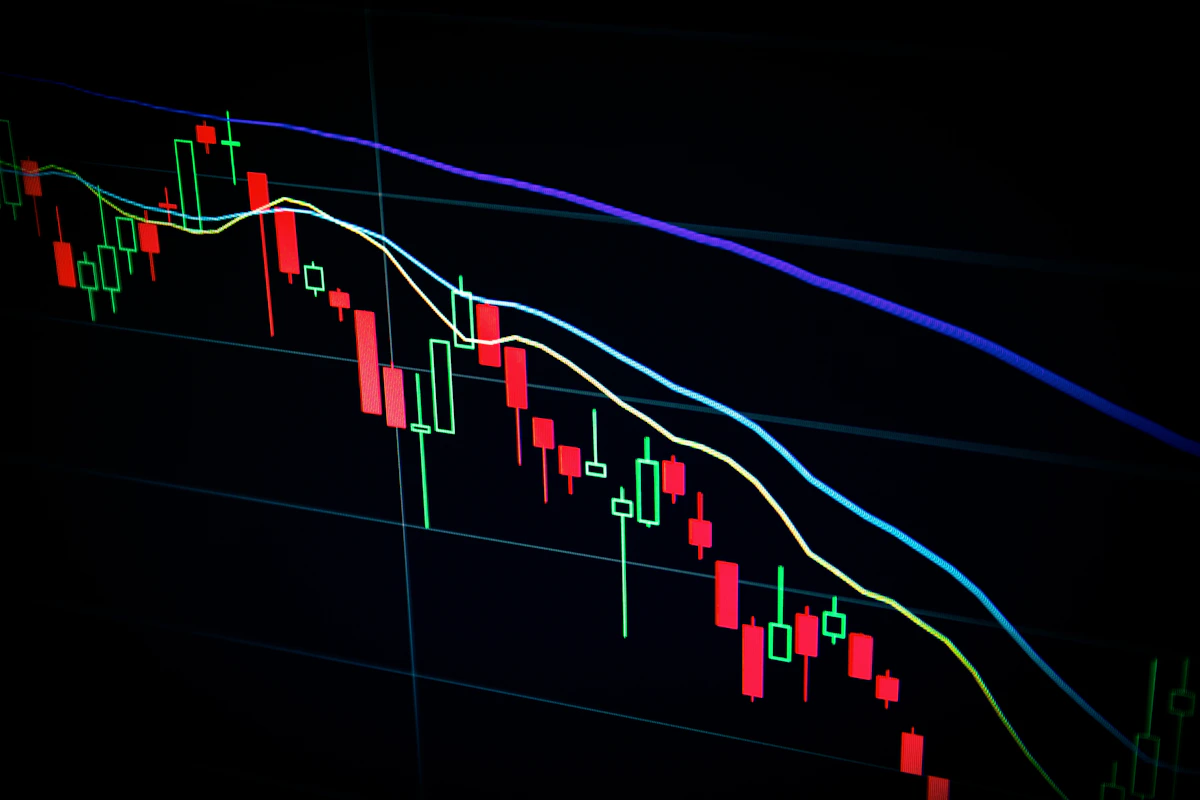
The 2008 financial crisis produced one of the most dramatic carry trade unwinds in history, with the Japanese yen appreciating more than 25% against the Australian dollar in less than three months as risk assets fell globally and leveraged carry positions were forcibly unwound.
Our editors curate the most important stories every morning. Join 50,000+ professionals who start their day with Finvex.
No spam. Unsubscribe any time.
Dr. Michael Wong at Finvex delivers expert analysis and breaking coverage across global markets, trade intelligence, and business strategy — combining deep industry expertise with rigorous reporting standards to provide actionable intelligence for business leaders worldwide.