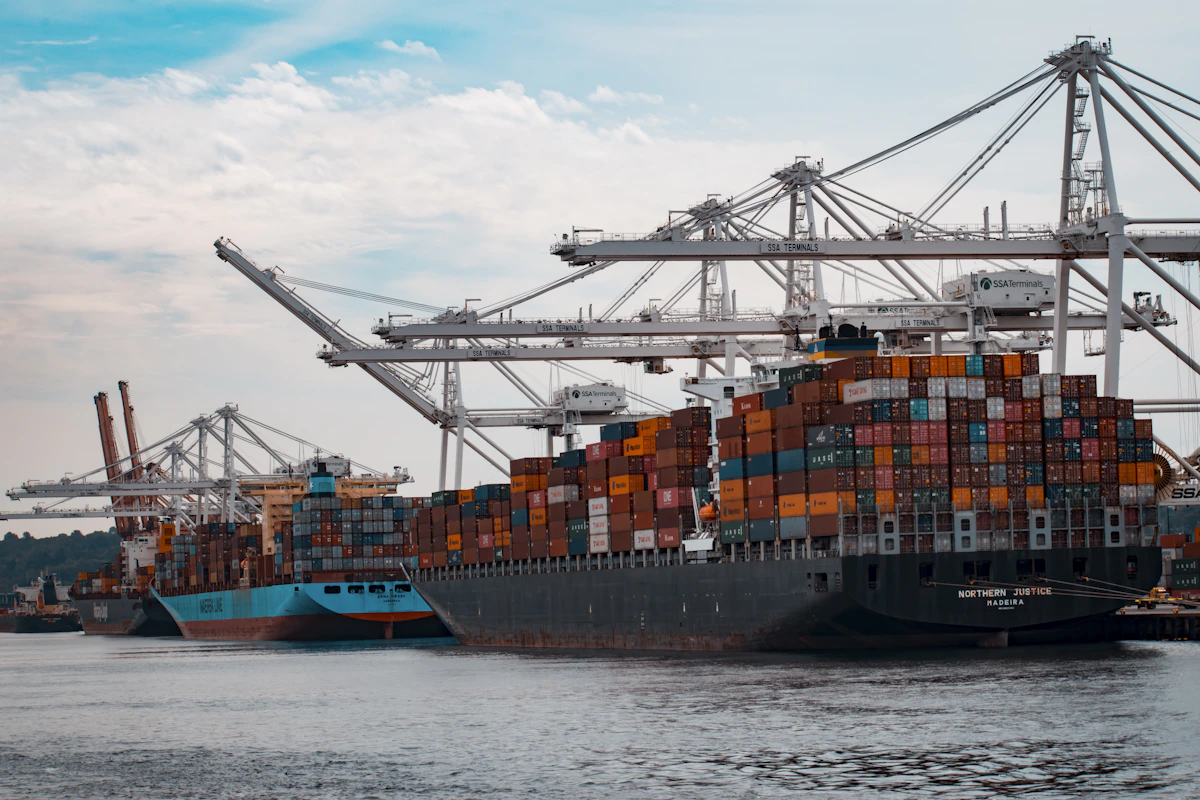
Supply Chain Due Diligence Laws: The New Compliance Frontier for Trading Companies
A wave of new mandatory supply chain due diligence legislation in Europe and North America is creating significant new compliance obligations for trading companies. Understanding what is required, and by when, is essential.

Supply chain due diligence legislation — which requires companies to identify, prevent, and address human rights and environmental risks in their supply chains — has moved rapidly from voluntary corporate responsibility initiative to binding legal obligation in major trading jurisdictions.
The German Supply Chain Due Diligence Act (LkSG), which entered into force in January 2023 for large German companies and extended to medium-sized companies in January 2024, requires covered companies to: identify human rights and environmental risks throughout their supply chains; implement appropriate risk management and prevention measures; establish grievance mechanisms; and document and report their due diligence activities annually.
The EU Corporate Sustainability Due Diligence Directive (CSDDD), once fully transposed into member state law, will extend comparable obligations to all large EU companies and create a consistent EU-wide framework. Non-EU companies with significant EU turnover are also within scope.
The US Uyghur Forced Labor Prevention Act (UFLPA) takes a different approach: it creates a rebuttable presumption that any goods produced wholly or in part in China's Xinjiang region were made using forced labour and are therefore prohibited from US import, unless the importer can demonstrate otherwise. This has had immediate practical implications for trading companies importing electronics, solar panels, cotton, and other goods with Xinjiang exposure.
For trading companies, the practical compliance implications are substantial. New due diligence processes must be developed for supply chain risk assessment. Supplier questionnaires and audits addressing human rights and environmental practices must be implemented. Legal counsel must be engaged to understand jurisdiction-specific obligations. And in some cases, supply chain restructuring may be required where high-risk suppliers cannot be adequately managed.
Our editors curate the most important stories every morning. Join 50,000+ professionals who start their day with Certivade.
No spam. Unsubscribe any time.
Standards Desk at Certivade delivers expert analysis and breaking coverage across global markets, trade intelligence, and business strategy — combining deep industry expertise with rigorous reporting standards to provide actionable intelligence for business leaders worldwide.