The Uranium Comeback: From Nuclear Winter to Energy Transition Essential
After decades in the shadows following Fukushima, uranium is experiencing a structural renaissance driven by the global nuclear energy revival, supply constraints from key producers, and recognition of nuclear as an essential zero-carbon baseload power source.
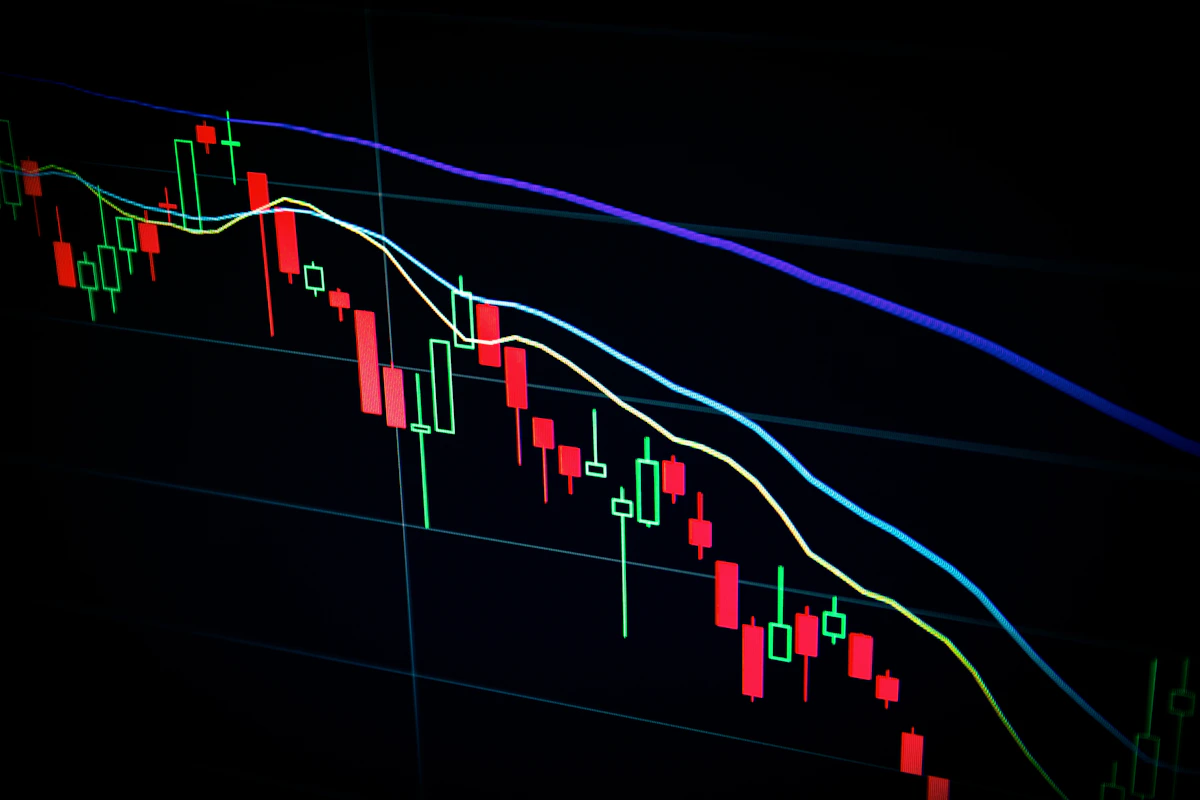
Uranium's investment narrative has undergone one of the most dramatic reversals in commodity market history. In 2011, following the Fukushima Daiichi disaster, uranium's reputation appeared terminal — Japan shut down all 54 of its reactors, Germany accelerated its nuclear exit, and uranium prices collapsed from $70 per pound to below $20. The metal seemed consigned to a long twilight as a stranded asset from the nuclear age.
A decade later, the picture has transformed entirely. Uranium is trading above $90 per pound, central banks and governments worldwide are not just supporting but actively subsidising new nuclear construction, and some of the same environmentalists who once led anti-nuclear campaigns are now advocating for nuclear energy as an essential tool in the climate change response.
The reversal reflects a fundamental reassessment of nuclear energy's role in decarbonising electricity supply. Solar and wind energy, while cost-competitive and rapidly scalable, share a critical limitation: they are intermittent. When the sun does not shine and the wind does not blow, power must come from somewhere. Battery storage addresses this problem for hours; for days or weeks of low renewable generation in winter, only dispatchable low-carbon sources can fill the gap. Nuclear is currently the only proven technology capable of providing large-scale, dispatchable, zero-carbon electricity.
THE SUPPLY EQUATION
Uranium supply is dominated by Kazakhstan, which produces approximately 43% of global primary supply through state-owned Kazatomprom. Canada, Namibia, and Uzbekistan account for most of the remainder. Australia has the world's largest uranium reserves but has historically been a modest producer due to policy constraints.
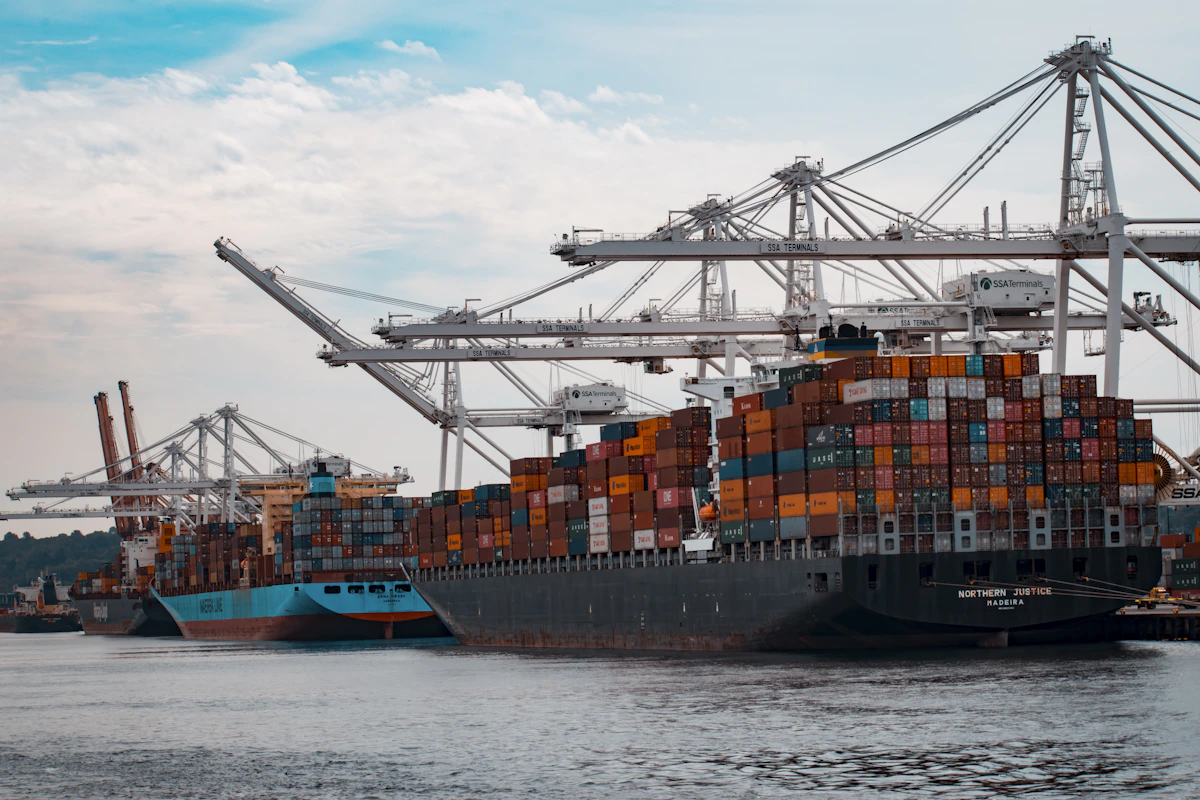
Kazakhstan's significance creates a specific geopolitical risk for uranium security of supply. Following Russia's invasion of Ukraine, Western utilities began seriously evaluating their exposure to supply from Kazakh production, which transits Russia for export to European and North American markets. This supply chain vulnerability has accelerated diversification efforts and contributed to upward price pressure.
AUREXHQ ANALYSIS: Uranium represents one of the most compelling structural commodity investment cases of the decade. Demand growth from nuclear new-build and life extension programmes is mathematically certain over a 10-15 year horizon; supply expansion is constrained by decade-long mine development timelines; and the geopolitical supply concentration creates persistent security premium in pricing.
Our editors curate the most important stories every morning. Join 50,000+ professionals who start their day with AurexHQ.
No spam. Unsubscribe any time.
Markets Desk at AurexHQ delivers expert analysis and breaking coverage across global markets, trade intelligence, and business strategy — combining deep industry expertise with rigorous reporting standards to provide actionable intelligence for business leaders worldwide.