Africa Rising: Why Commodity Investment is Moving South
Sub-Saharan Africa is attracting unprecedented commodity investment as the energy transition creates demand for African critical minerals, infrastructure develops, and governance frameworks improve.

Sub-Saharan Africa possesses some of the world's most significant deposits of the critical minerals required for the energy transition: Democratic Republic of Congo holds 70% of global cobalt reserves, Zimbabwe has the fourth-largest lithium reserves globally, Guinea holds the world's largest high-grade bauxite reserves, and South Africa dominates platinum group metal production.
This mineral wealth, combined with significant untapped agricultural potential and improving infrastructure, is attracting a level of investment interest from institutional capital that Africa has not seen since the commodity supercycle of the early 2000s.
The investment case is compelling but requires understanding the specific risks that characterise African commodity investment.
THE GOVERNANCE IMPROVEMENT FACTOR
The narrative of African investment risk has historically been dominated by governance and political risk — corruption, expropriation, regulatory instability, and conflict. While these risks remain real and must be managed carefully, the governance landscape across the continent has improved meaningfully over the past decade.
The spread of democratic governance, stronger independent central banking, improved debt management frameworks, and the growth of local capital markets have created a more stable investment environment in a growing number of African jurisdictions. Rwanda, Botswana, Morocco, and Senegal now offer governance frameworks comparable to many emerging market peers in Asia and Latin America.
THE INFRASTRUCTURE CHALLENGE
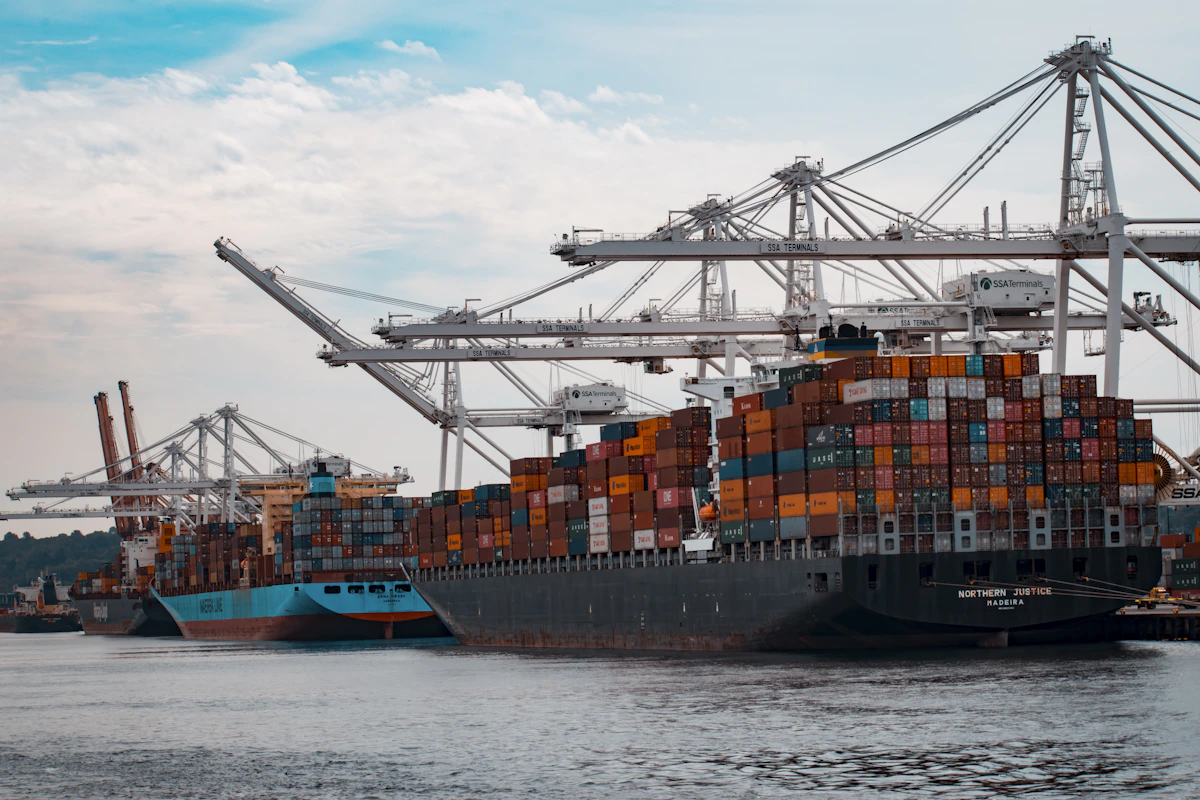
The most significant constraint on commodity investment in Africa remains infrastructure. Moving minerals and agricultural commodities from interior production locations to coastal export terminals is enormously expensive where road and rail networks are inadequate.
The most successful commodity investments in Africa are typically those that include infrastructure development as an integral component: building or improving the transportation links, power supply, and port facilities that enable commercial-scale commodity production.
Our editors curate the most important stories every morning. Join 50,000+ professionals who start their day with InvexHub.
No spam. Unsubscribe any time.
Investment Desk at InvexHub delivers expert analysis and breaking coverage across global markets, trade intelligence, and business strategy — combining deep industry expertise with rigorous reporting standards to provide actionable intelligence for business leaders worldwide.