The Global Shipping Crisis and Its $400 Billion Impact on Trade Finance
The cascading supply chain disruptions of the past three years have exposed the interdependence of physical commodity flows and financial instruments in ways that have permanently changed how trade finance providers assess shipping risk.

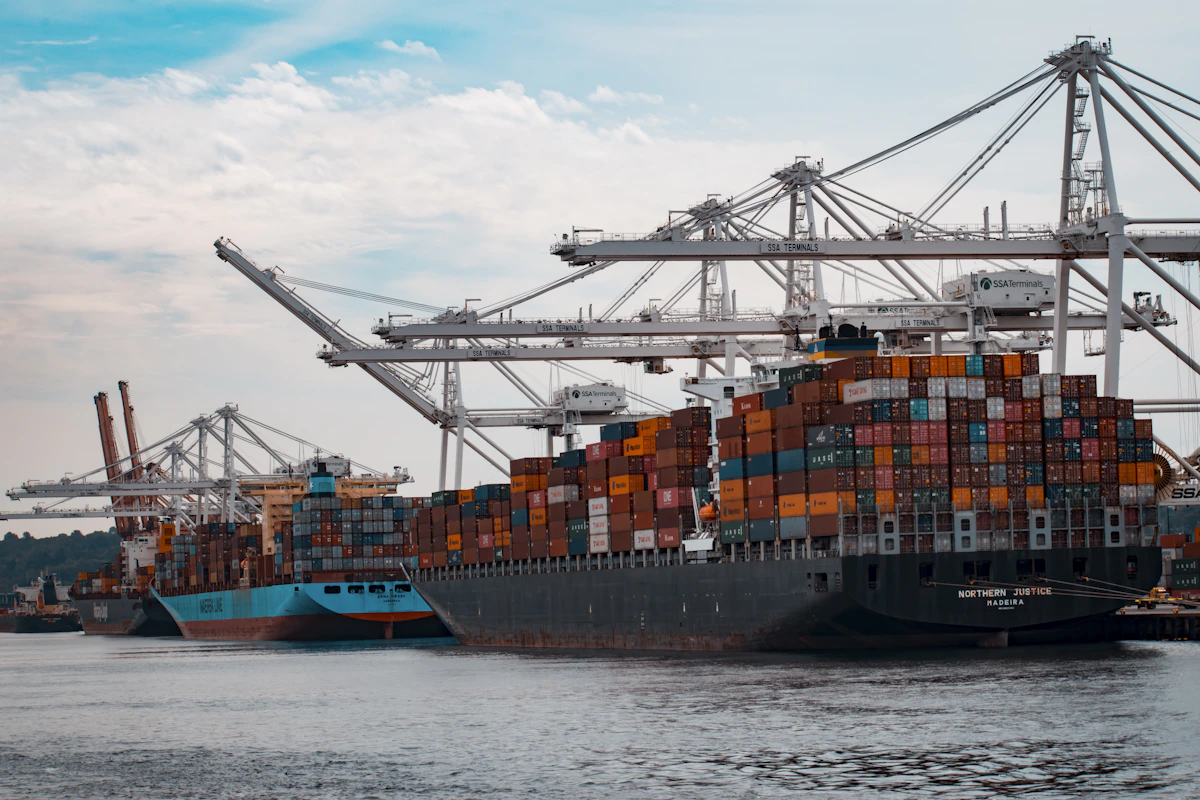
The shipping industry's experience of the past three years — COVID-era disruption, the Red Sea crisis, port congestion events, and structural capacity changes — has created a $400 billion trade finance stress scenario that has permanently altered how banks, trading companies, and cargo owners assess and manage the intersection of physical and financial risk in shipping.\n\nTrade finance, by design, is intimately linked to physical shipping. Letters of credit are triggered by shipping documents. Supply chain finance is predicated on reliable delivery timelines. Inventory finance is secured against goods in transit. When shipping becomes unreliable, each of these financial instruments becomes more complex, more expensive, and more risky.\n\nTHE COST OF DISRUPTION\nThe direct financial impact of the past three years' shipping disruptions has been substantial. Freight insurance claims spiked as diversions, delays, and damage incidents increased. Trade credit insurance losses rose as longer transit times increased the probability of buyer default or insolvency between payment commitment and cargo delivery. Letter of credit presentation deadlines were missed as cargo arrived after documentary credit expiry dates.\n\nFor trading companies, the indirect costs of disruption were often larger than the direct losses. Opportunity costs from missed sales due to stock-outs, emergency sourcing premiums paid to replace delayed inventory, client relationship damage from late deliveries, and management time diverted to crisis management — these costs are harder to quantify but often exceeded the direct financial losses.\n\nThe most significant lasting change has been in risk pricing. Banks and insurers have re-rated shipping risk across virtually every route and commodity, reflecting the higher probability of disruption that the past three years have demonstrated. Financing costs for shipments through higher-risk corridors — Red Sea, South China Sea, Horn of Africa — have increased materially.
Our editors curate the most important stories every morning. Join 50,000+ professionals who start their day with InvexHub.
No spam. Unsubscribe any time.
Investment Desk at InvexHub delivers expert analysis and breaking coverage across global markets, trade intelligence, and business strategy — combining deep industry expertise with rigorous reporting standards to provide actionable intelligence for business leaders worldwide.