SPACs in Commodity Markets: What Happened and What Comes Next
The SPAC wave of 2020-2021 produced several high-profile commodity sector mergers that have dramatically underperformed their projections. Examining what went wrong and what legitimate deal structures remain available is valuable for commodity sector capital markets participants.
Special Purpose Acquisition Companies (SPACs) — blank check companies that raise capital in an IPO to acquire a private company within a specified timeframe — had a significant and largely negative impact on public markets valuations of commodity and energy transition companies during the 2020-2021 boom.
The structural incentive problems with SPACs are now well-documented. SPAC sponsors receive a substantial "promote" — typically 20% of the equity — regardless of whether the acquisition creates or destroys value for investors. This creates powerful incentives to complete a deal even when the economics for external investors are poor. Management teams of target companies, dazzled by the prospect of a fast track to public markets and the elevated valuations of the SPAC enthusiasm period, accepted projections into merger documents that had no realistic basis in achievable business performance.
The results have been deeply damaging for investor confidence in the structure and in several commodity sector businesses that might have had legitimate investment cases at appropriate valuations.
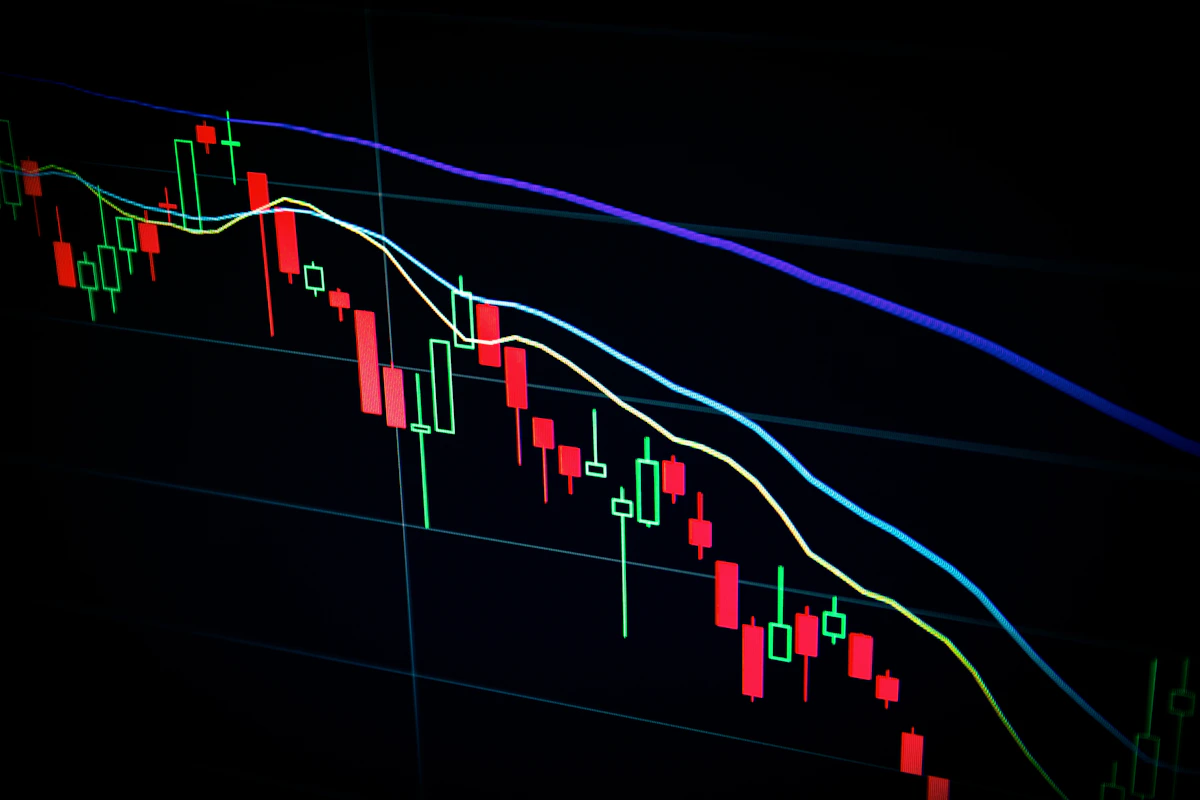
Several prominent commodity and energy transition SPAC mergers completed at implied valuations of $800 million to $2 billion for businesses that subsequently reported revenues a fraction of projected levels. Share prices collapsed 80-95% from merger completion levels.
WHAT LEGITIMATE STRUCTURES REMAIN AVAILABLE
Despite the SPAC debacle, private commodity companies have several legitimate pathways to public capital markets. Traditional IPOs, conducted with full regulatory disclosure and market-clearing pricing, remain available and have become comparatively more attractive as the SPAC premium has evaporated. Listed infrastructure vehicles — closed-end funds that hold commodity infrastructure assets — continue to trade at reasonable premiums to NAV for high-quality assets.
The lesson from the SPAC experience: public market capital is available for commodity businesses with genuine, demonstrated commercial traction at valuations that reflect realistic near-term fundamentals, not hockey-stick projections.
Our editors curate the most important stories every morning. Join 50,000+ professionals who start their day with InvexHub.
No spam. Unsubscribe any time.
Investment Desk at InvexHub delivers expert analysis and breaking coverage across global markets, trade intelligence, and business strategy — combining deep industry expertise with rigorous reporting standards to provide actionable intelligence for business leaders worldwide.