Algorithmic Trading in Commodity Markets: How Machines Are Reshaping Price Discovery
Algorithmic and high-frequency trading now accounts for 60-70% of volume in liquid commodity futures markets. Understanding how these systems work, what they do to market microstructure, and how human traders should adapt is essential knowledge.

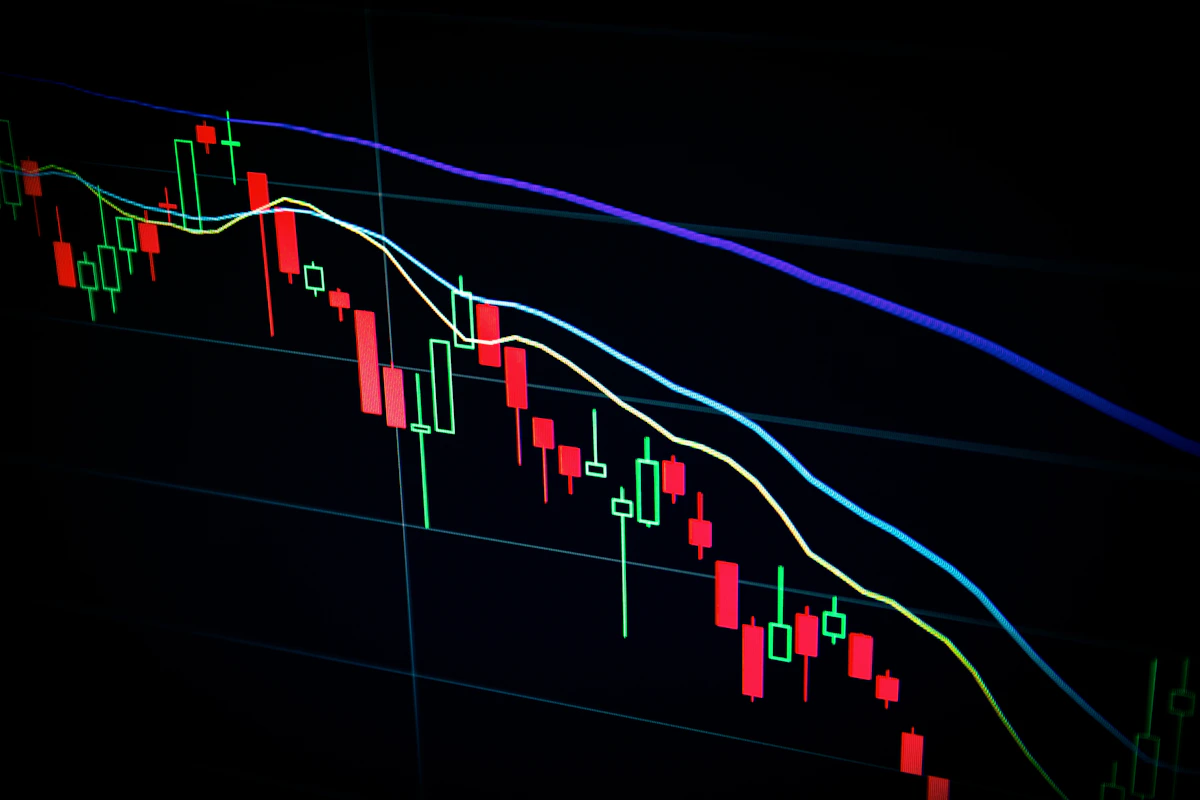
Algorithmic trading — the use of computer systems executing pre-programmed instructions to enter and exit trading positions — has transformed the microstructure of commodity futures markets over the past two decades. In the most liquid markets, such as Brent crude oil futures, gold, and copper, algorithmic systems account for an estimated 60-70% of daily trading volume. Understanding their impact on price formation, volatility, and trading opportunity is essential for any serious commodity market participant.
The simplest algorithmic strategies are what practitioners call market-making algorithms — systems that continuously post bid and offer prices on both sides of the market, earning the spread between buy and sell price on high volumes of small trades. These algorithms provide genuine liquidity to markets and have reduced transaction costs for all participants. The spread between bid and ask in major commodity futures has compressed dramatically over the past twenty years, in large part due to algorithmic market makers.
More complex algorithms include statistical arbitrage strategies that exploit small, persistent price relationships between related markets — for example, the relationship between Brent crude and WTI crude, or between copper futures in London and Shanghai. When these relationships deviate from their historical norms, algorithms automatically enter positions that profit from the reversion, effectively enforcing the relationships and maintaining market coherence.
The impact of algorithmic trading on human traders is complex and disputed. Arguments that machines have made markets more efficient — tighter spreads, faster price discovery, better liquidity — are well-supported by data. Arguments that algorithmic trading increases volatility in stress conditions and creates "flash crash" dynamics are also supported by specific episodes, most notably the 2010 US equity flash crash and various commodity market incidents.
For the Signalix trading methodology, the key adaptation is focusing on time horizons where algorithmic trading is less dominant. Algorithms excel in the millisecond to minute range of price movements. They are less effective at multi-day to multi-week price trends driven by fundamental factors that require genuine analytical judgment to identify and act on.
Our editors curate the most important stories every morning. Join 50,000+ professionals who start their day with Signalix.
No spam. Unsubscribe any time.
Signal Desk at Signalix delivers expert analysis and breaking coverage across global markets, trade intelligence, and business strategy — combining deep industry expertise with rigorous reporting standards to provide actionable intelligence for business leaders worldwide.