Mean Reversion vs Momentum: The Two Fundamental Trading Strategies Explained
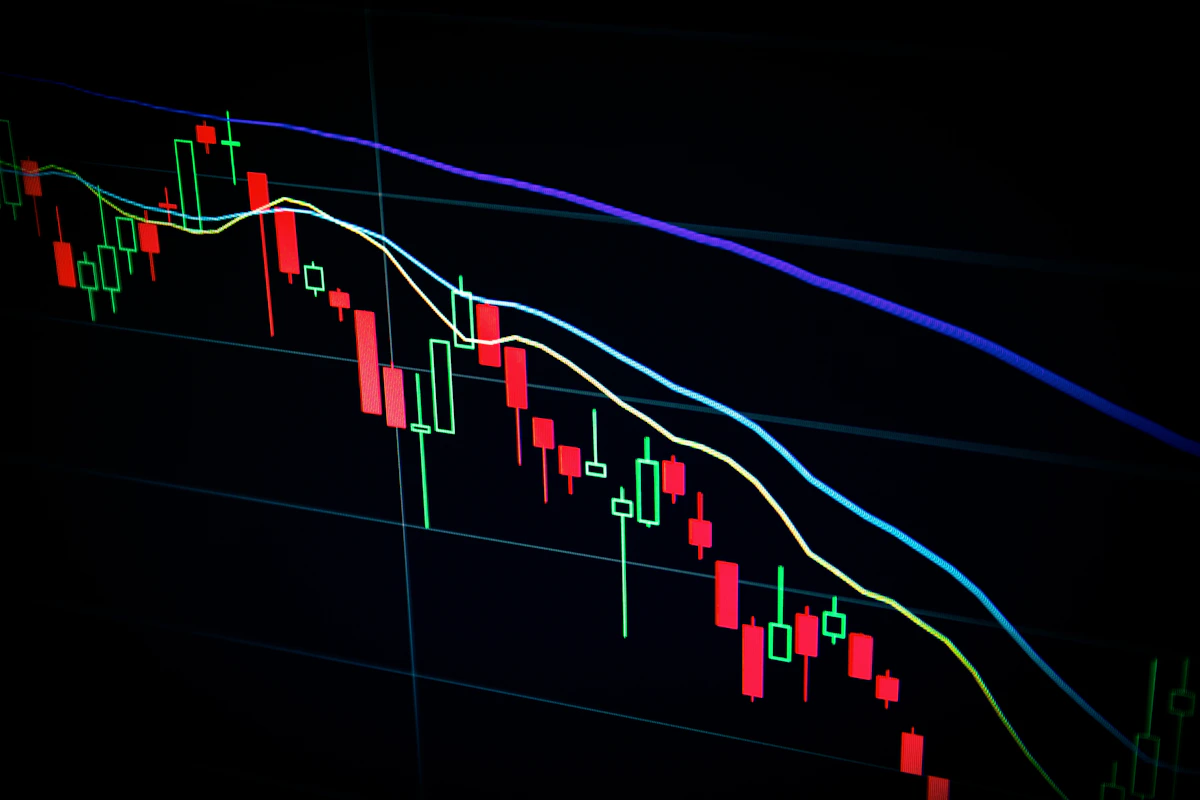
The universe of quantitative trading strategies can be reduced to two fundamental approaches: mean reversion (the expectation that prices will return to average levels) and momentum (the expectation that trends will continue). Understanding both is essential for any systematic trader.

At the deepest level, all quantitative trading strategies can be classified into one of two fundamental approaches: mean reversion or momentum. These two strategies embody opposite assumptions about how prices behave and are profitable in different market regimes. Understanding both — their theoretical basis, their practical implementation, and the conditions in which each performs well — is foundational knowledge for any systematic commodity trader.
MEAN REVERSION: PRICES RETURN TO AVERAGE
Mean reversion strategies are based on the premise that asset prices fluctuate around a long-term average or equilibrium level, and that significant departures from this average tend to be temporary — prices that have risen too far relative to fundamentals tend to fall back, and prices that have fallen too far tend to recover.
The intellectual foundation of mean reversion is the concept of fair value: if a commodity has a long-run equilibrium price determined by the cost of production and the level of demand, then prices significantly above this level will attract new supply and reduce demand until equilibrium is restored, and prices significantly below it will cause supply to exit and demand to increase until equilibrium is again reached.
Mean reversion strategies in commodity markets typically focus on identifying assets that have deviated significantly from historical price averages, relative value relationships (where one commodity has moved significantly relative to a correlated commodity), or statistical measures of oversold/overbought conditions like RSI.
MOMENTUM: TRENDS PERSIST
Momentum strategies embody the opposite assumption: that prices that have been rising tend to continue rising, and prices that have been falling tend to continue falling, for longer than fundamental analysis would suggest. The intellectual basis for momentum is partly behavioural — investors update their views slowly, creating sustained trends as information diffuses gradually through the market — and partly structural, driven by the feedback loops between rising prices, improving sentiment, and capital flows that can sustain trends beyond their fundamental justification.
SIGNALIX APPROACH: We deploy both strategies in a systematic framework that adjusts their relative weight based on detected market regime. In trending, high-volatility environments (typically driven by significant fundamental news), momentum signals receive higher weight. In range-bound, low-volatility environments, mean reversion signals receive higher weight.
Our editors curate the most important stories every morning. Join 50,000+ professionals who start their day with Signalix.
No spam. Unsubscribe any time.
Signal Desk at Signalix delivers expert analysis and breaking coverage across global markets, trade intelligence, and business strategy — combining deep industry expertise with rigorous reporting standards to provide actionable intelligence for business leaders worldwide.