When Deals Go Wrong: Real Accounts of Trade Disputes and How They Were Resolved
Anonymised accounts from community members of significant trade disputes — what went wrong, how the dispute escalated, and what resolution ultimately looked like. The lessons are invaluable for any trader seeking to avoid similar outcomes.

Few experiences in trading are more instructive — or more painful — than a serious trade dispute. This compilation draws on ten anonymised accounts submitted by community members, each involving disputes of more than $500,000 that ultimately reached some form of resolution. We publish them with the kind permission of the submitters, in the hope that the lessons prevent others from learning them the hard way.
CASE 1: THE QUALITY DISPUTE THAT BECAME A RELATIONSHIP DISPUTE
"We had traded successfully with this buyer for three years before the dispute. On a large agricultural commodity shipment, they claimed on arrival that moisture content exceeded specification by 1.2%. We had pre-shipment inspection certificates showing compliant moisture. They had arrival inspection certificates from a different inspector showing non-compliance. Both inspectors were reputable. The problem was that our contract specified pre-shipment moisture, but their standard purchase contract specified arrival condition. In the post-deal documentation rush, we had signed their PO without carefully noting this deviation from our standard terms. The dispute cost us eight months of management time, strained a three-year relationship, and eventually settled for 60% of their claimed deduction. The lesson: documentation review cannot be rushed, and contradictory provisions between PO and confirmation must be resolved before shipment, not after."
CASE 2: THE FORCE MAJEURE THAT WASN'T
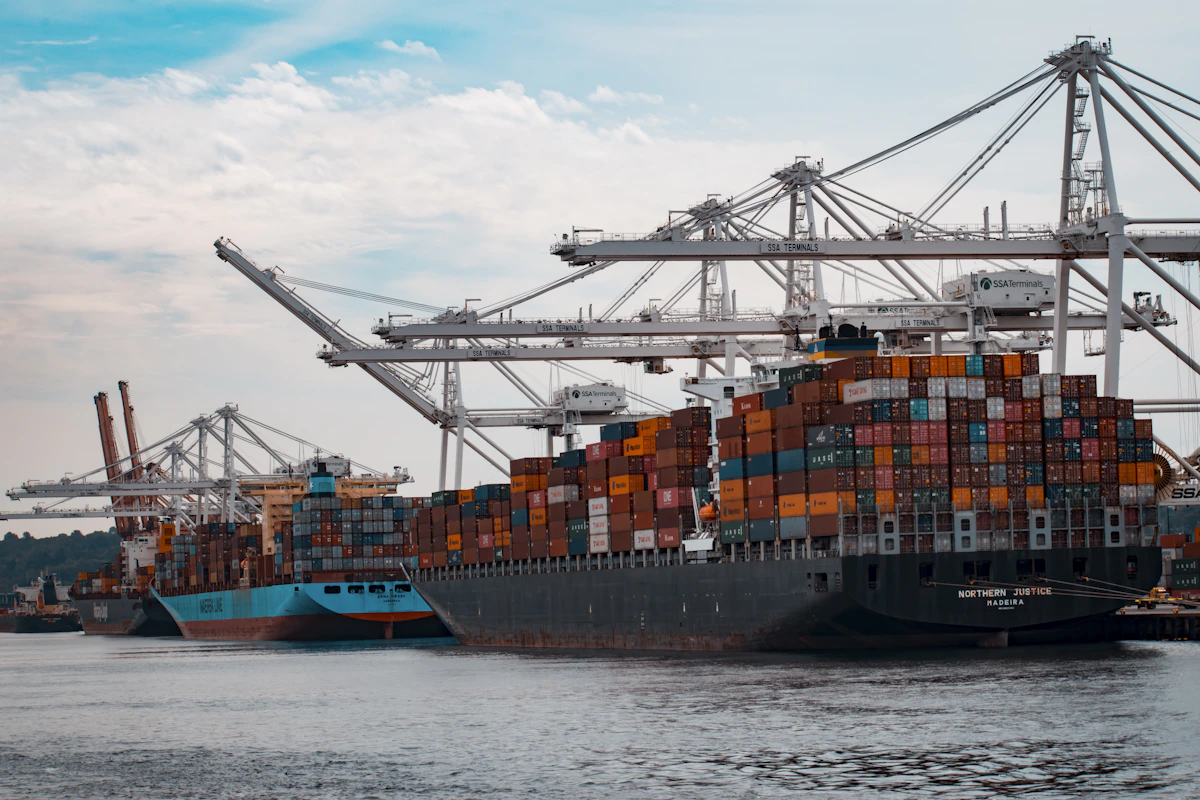
"We invoked force majeure when port congestion at the loading port prevented shipment within the contracted window. Our contract's force majeure clause included 'port congestion beyond our reasonable control.' The buyer rejected the force majeure claim, arguing that port congestion at that facility was a known seasonal risk that we should have planned for, and that our failure to book shipping earlier was the root cause of the delay, not the congestion itself. The arbitration tribunal agreed with the buyer. We learned that force majeure clauses need to be read very carefully for reasonableness standards, and that foreseeable events — even unusual ones — are typically excluded from coverage."
Our editors curate the most important stories every morning. Join 50,000+ professionals who start their day with Tradvex.
No spam. Unsubscribe any time.
Community Editor at Tradvex delivers expert analysis and breaking coverage across global markets, trade intelligence, and business strategy — combining deep industry expertise with rigorous reporting standards to provide actionable intelligence for business leaders worldwide.