Freight Rate Volatility: Strategies for Managing Shipping Cost Uncertainty
Container shipping rates have swung from historic lows to historic highs and back again within the space of three years. Trading companies that managed the volatility well share specific strategies that others can adopt.

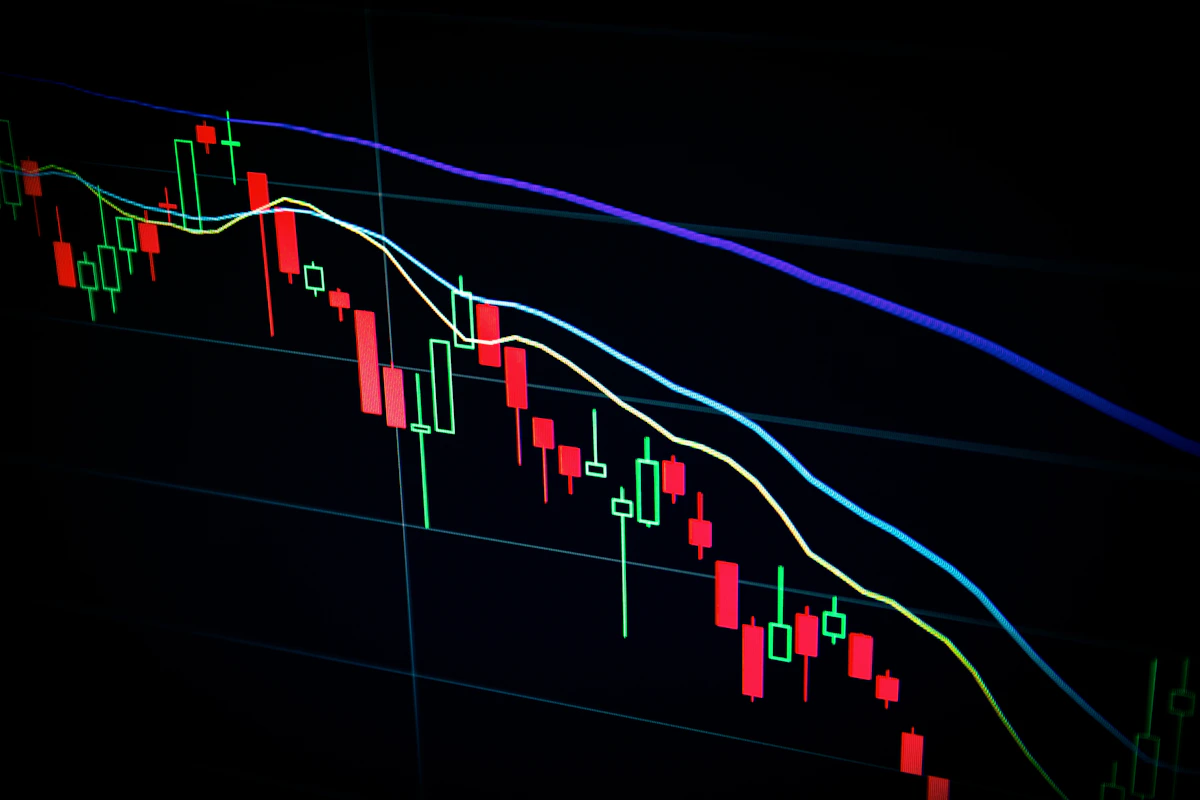
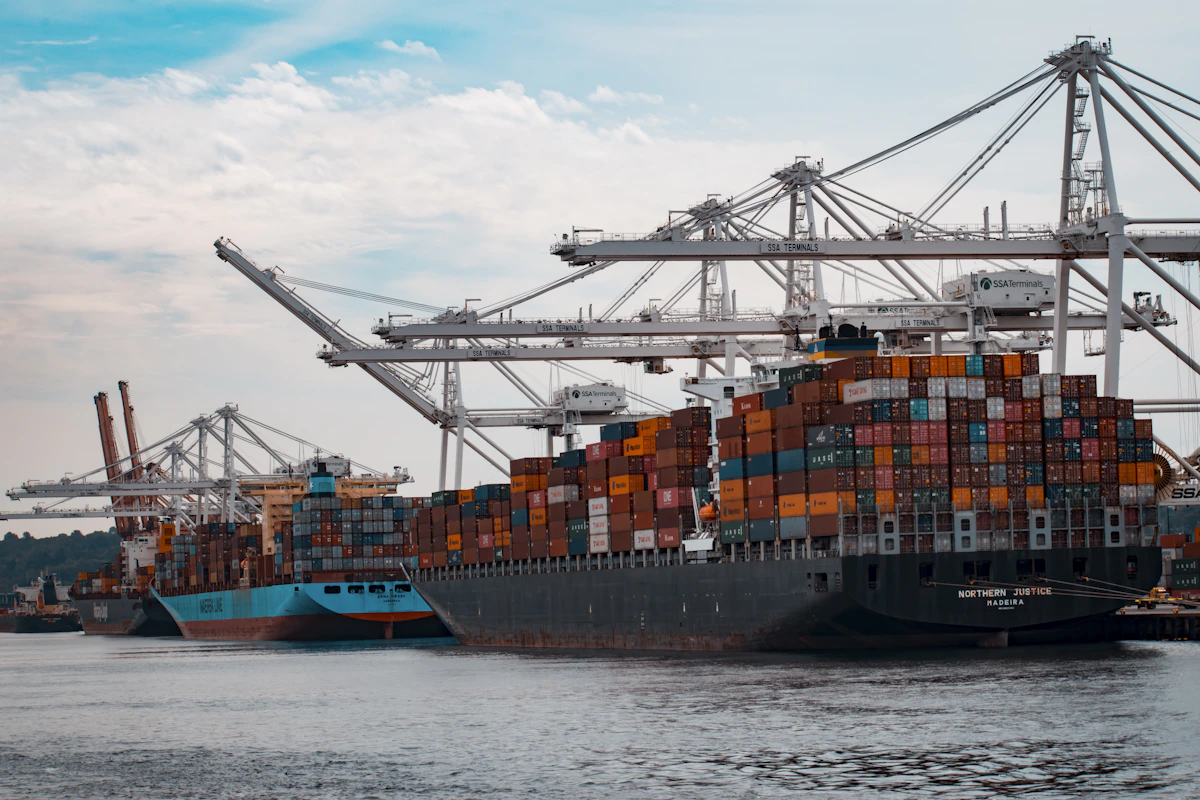
Few operational variables create more strategic headaches for trading companies than freight rate volatility. Container shipping rates went from approximately $1,500 per 40-foot container on the transpacific route in 2019 to over $15,000 at the peak of COVID-era disruption in 2021, then back below $2,000 in 2023 as new vessel capacity flooded the market, and have since recovered to the $3,000-4,000 range. For trading companies with thin margins on physical goods, these swings can be the difference between a profitable year and a loss.
Community members who navigated the volatility successfully identify four strategies that were most effective. The first is contractual protection through fixed-rate agreements with carriers. During periods of low spot rates, locking in fixed-rate contracts for a portion of expected volume provides insurance against future spikes. The calculation involves trading certainty against the possibility of being contractually obligated at above-market rates if spot rates fall further. Companies that successfully navigated the COVID spike largely did so because they had some portion of their volume under fixed contracts from the pre-COVID period.
The second strategy is route diversification. Companies that were heavily dependent on a single carrier route faced the worst outcomes during the COVID disruption, as specific lanes experienced the most extreme capacity constraints. Companies with the flexibility to route through multiple ports and use multiple carriers maintained service continuity more reliably.
Third, inventory management adjustment. Companies that recognised the freight cycle turning early — either toward tightness or toward surplus — adjusted their inventory positioning accordingly. During the capacity shortage of 2021, companies that had brought forward inventory purchases before the worst of the disruption avoided the worst spot rates. During the subsequent surplus, companies that reduced inventory quickly avoided carrying high-cost inventory as prices normalised.
Fourth, collaborative arrangements with other trading companies. Several community members described informal arrangements to share container space during the shortage period, allowing each company to maintain more predictable shipping costs than would have been possible acting individually.
Our editors curate the most important stories every morning. Join 50,000+ professionals who start their day with Tradvex.
No spam. Unsubscribe any time.
Community Editor at Tradvex delivers expert analysis and breaking coverage across global markets, trade intelligence, and business strategy — combining deep industry expertise with rigorous reporting standards to provide actionable intelligence for business leaders worldwide.