Mastering Commodity Price Risk: Hedging Strategies for Physical Traders
Physical commodity traders face inherent price risk from the time they purchase goods to the time they sell them. Understanding and implementing effective hedging strategies is what separates consistently profitable traders from those who generate volatile, unpredictable results.

Every physical commodity trade involves price risk. From the moment you commit to purchasing a commodity until the moment you commit to selling it — and in some cases, for an extended period beyond the sale if prices are linked to index averages — you are exposed to price movements that can significantly affect the profitability of the transaction.
Managing this risk effectively is one of the fundamental skills of physical commodity trading, and it is more complex than many practitioners realise. The complexity arises from what traders call 'basis risk' — the risk that the price relationship between your physical commodity and the exchange-traded futures contract you use to hedge does not behave as expected.
THE BASICS OF FUTURES HEDGING
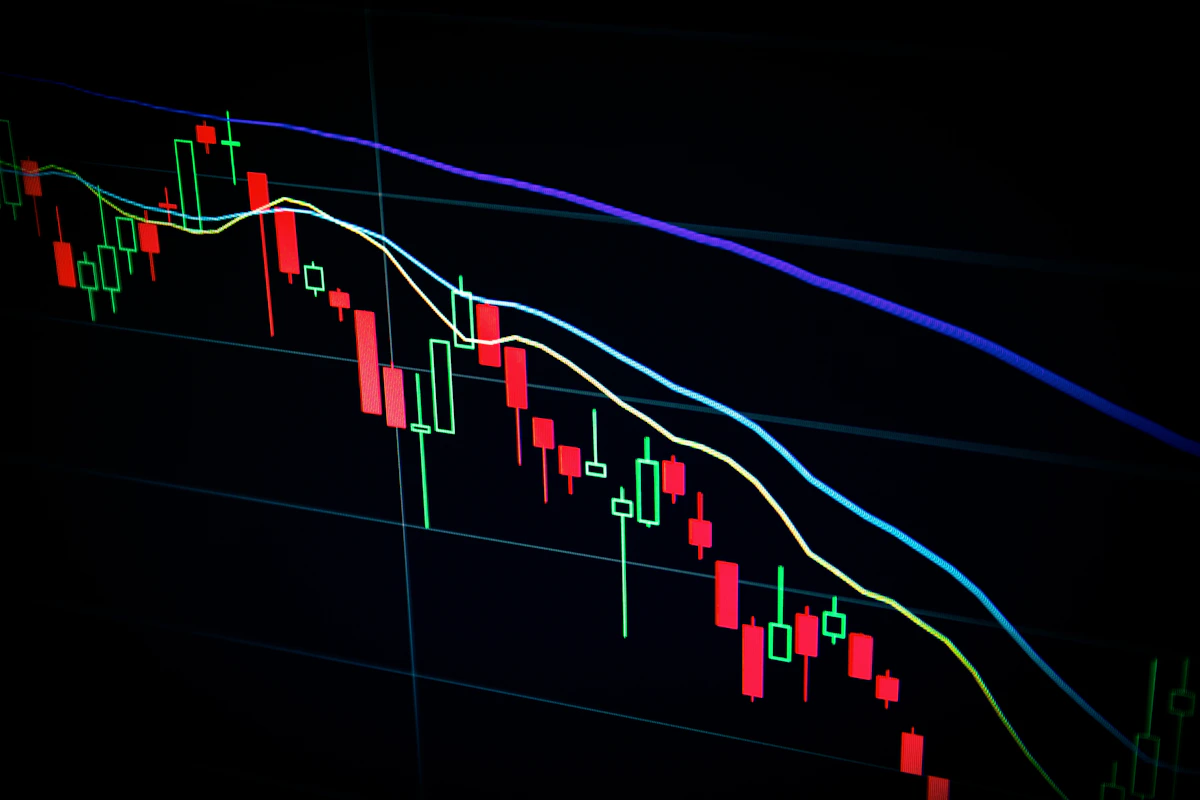
A futures hedge for a physical commodity position works as follows: if you are long physical commodity (you have purchased commodity that you have not yet sold), you sell an equivalent quantity of futures contracts on an exchange. If the commodity price falls, your physical inventory loses value — but your short futures position gains an approximately equivalent amount, offsetting the loss. If prices rise, your physical gains — but your short futures loses, again approximately offsetting.
The key word is 'approximately.' Futures contracts are standardised — they specify a particular grade of commodity at a particular delivery location for a particular delivery period. Your physical commodity may differ from the futures specification on one or more of these dimensions, creating basis — the price difference between your physical and the futures contract.
BASIS RISK: THE PRACTICAL CHALLENGE
In agricultural commodities, basis risk reflects transportation costs, storage costs, and local supply-demand conditions that cause physical prices at specific locations to differ from exchange prices. A grain elevator in Iowa may trade at a $0.15 per bushel discount to Chicago futures in normal conditions — but this basis narrows significantly during periods of tight local supply and widens when local stocks are ample.
Understanding and managing basis is where the genuine skill in commodity hedging lies. Traders who understand basis dynamics in their specific commodity and geography can structure hedges that reduce total price risk more effectively than simplistic exchange-level hedging.
Our editors curate the most important stories every morning. Join 50,000+ professionals who start their day with Tradvex.
No spam. Unsubscribe any time.
Community Editor at Tradvex delivers expert analysis and breaking coverage across global markets, trade intelligence, and business strategy — combining deep industry expertise with rigorous reporting standards to provide actionable intelligence for business leaders worldwide.