Commodity Trading Explained: From Spot Markets to Derivatives
Commodity trading encompasses a vast range of activities from simple physical spot transactions to sophisticated financial derivatives. Understanding the landscape is essential for anyone operating in commodity-intensive industries.

Commodity markets are among the oldest organised markets in human history. The concept of agreeing today on a price for grain to be delivered at harvest — a forward contract — traces to ancient Mesopotamia. Modern commodity markets have evolved enormously in sophistication, but the fundamental economic function remains the same: transferring price risk from those who cannot or do not wish to bear it to those willing to accept it in exchange for financial reward.
Physical vs. Paper Markets
The commodity market divides into two distinct but interconnected segments: physical markets, where actual commodities change hands, and paper markets, where financial instruments representing those commodities are bought and sold without necessarily involving physical delivery.
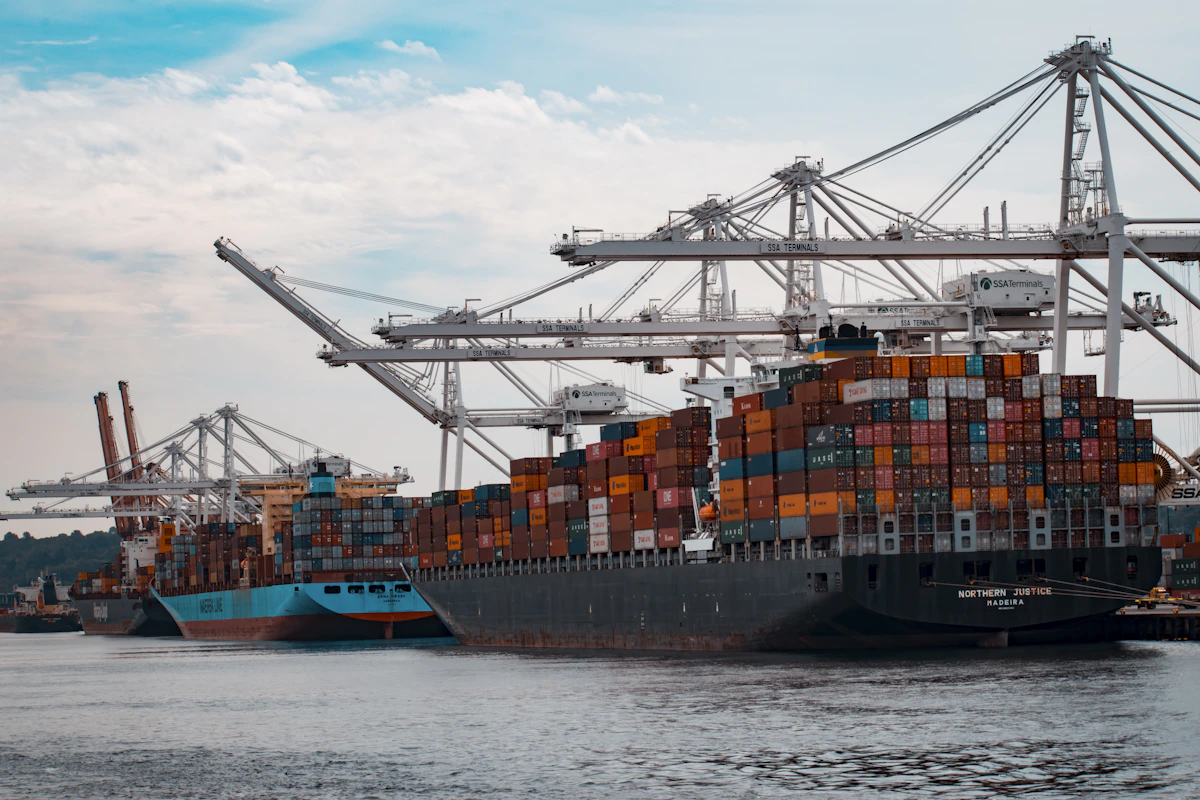
Physical commodity traders — companies that actually buy, store, transport, and sell physical commodities — are the backbone of the real economy. They perform the essential function of moving commodities from where they are produced to where they are consumed, transforming them through processing, blending, and logistics in ways that add genuine economic value.
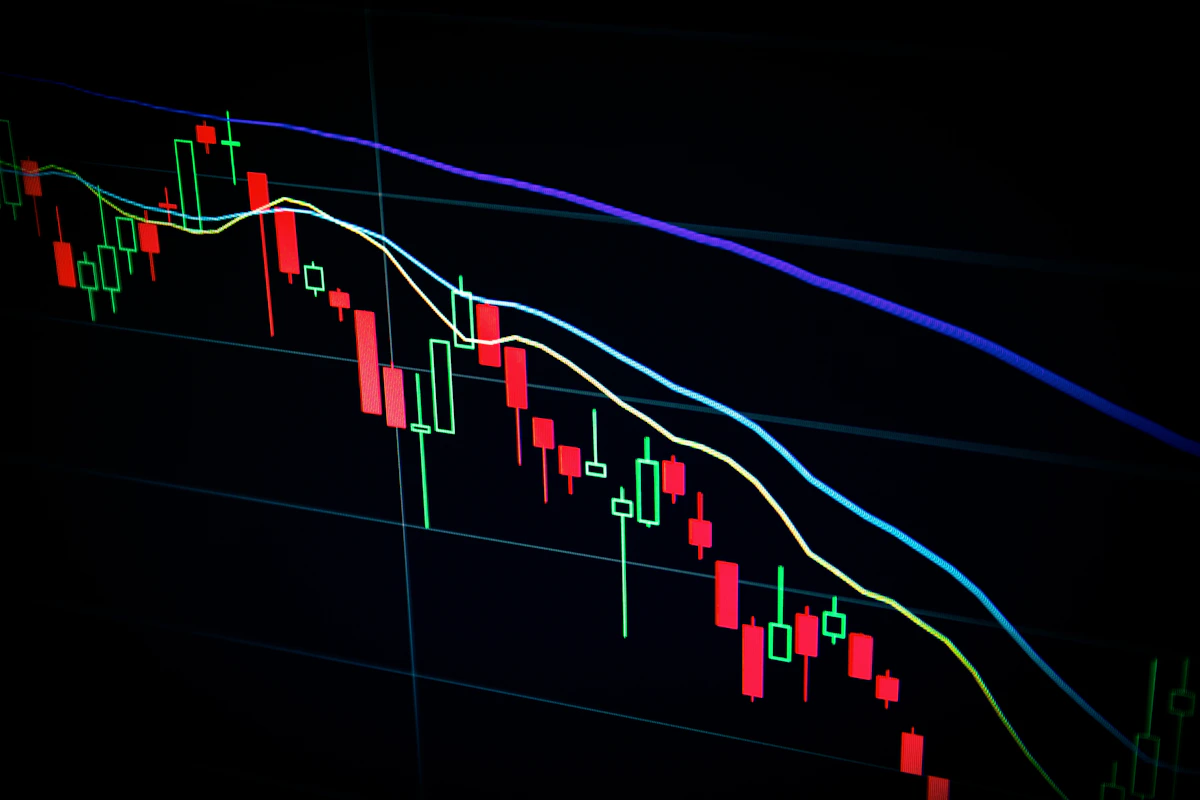
Paper market participants include commodity producers and consumers who use futures and options to hedge price risk, financial traders and hedge funds who take speculative positions, and index investors who seek commodity exposure as a portfolio diversification tool.
The Basis: The Key Concept in Physical Commodity Trading
For physical commodity traders, perhaps the most important concept is the basis — the difference between the spot price of a physical commodity at a specific location and the price of the corresponding futures contract on an organised exchange.
The basis reflects the cost of carrying inventory (storage, finance, insurance) and the transportation cost from production to consumption locations. Managing basis risk — the risk that the physical-to-futures price relationship moves adversely — is a core skill of physical commodity trading.
Commodity Price Cycles
Commodity prices follow long cycles driven by the interplay of supply and demand. Investment in new production capacity takes years to build — a new copper mine requires 10-15 years from discovery to production, a new oil field 5-7 years. When commodity prices rise, investment in new capacity follows, but with a long lag. By the time new supply comes online, demand conditions may have changed, leading to surplus and price falls.
Our editors curate the most important stories every morning. Join 50,000+ professionals who start their day with Bizpedia.
No spam. Unsubscribe any time.
Editorial Board at Bizpedia delivers expert analysis and breaking coverage across global markets, trade intelligence, and business strategy — combining deep industry expertise with rigorous reporting standards to provide actionable intelligence for business leaders worldwide.