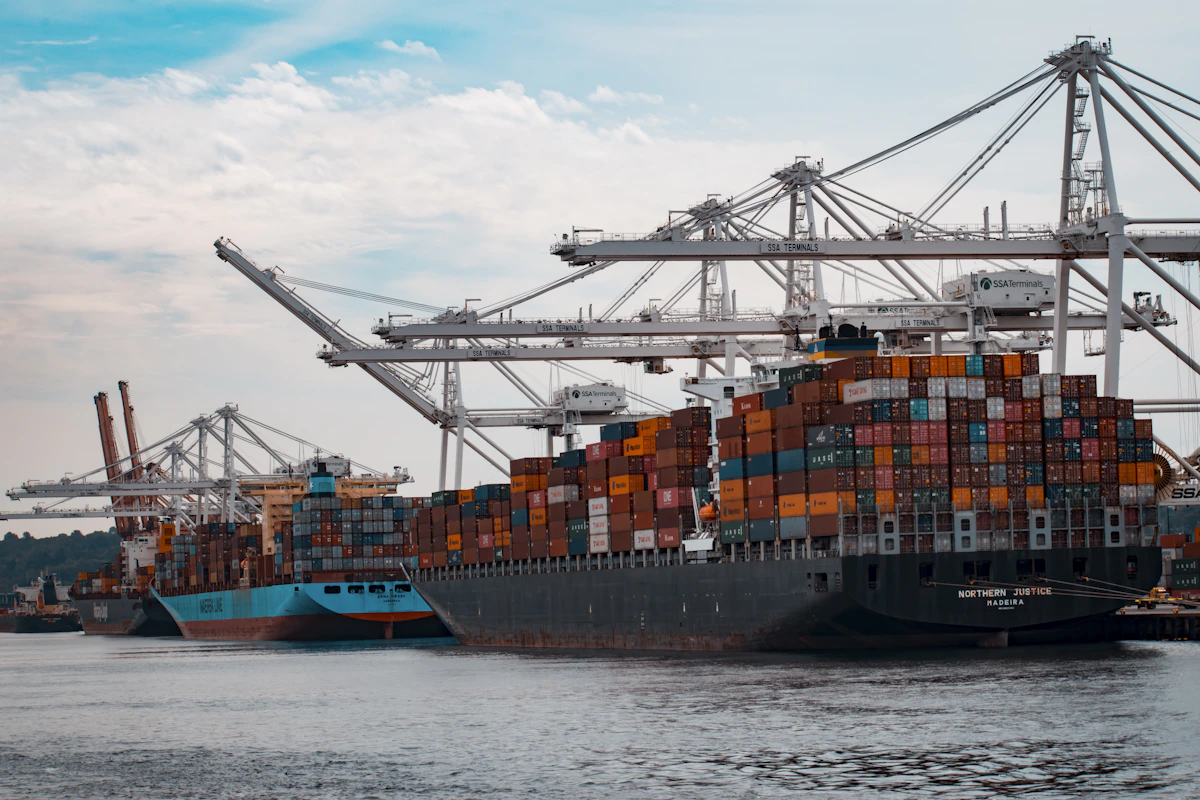
The Panama Canal Water Crisis: How Drought is Reshaping Global Shipping Routes
Unprecedented drought has reduced Panama Canal water levels to their lowest in recorded history, forcing shipping companies to reroute cargo around South America's Cape Horn and adding weeks and millions in costs to global supply chains.

The Panama Canal — the 80-kilometre waterway connecting the Pacific and Atlantic oceans that handles approximately 5% of global maritime trade — is facing an existential operational challenge driven by climate change. Unprecedented drought conditions in the Panama Canal watershed have reduced water levels in Gatún Lake, the artificial reservoir that supplies water for canal operations, to their lowest levels in recorded history.
The operational consequence is significant: the canal authority has been forced to restrict the maximum draft (depth) of vessels transiting the waterway, reducing the cargo capacity of each vessel that can pass. For the largest container ships, which require maximum draft to carry full loads, this effectively reduces their carrying capacity by 20-30% while transiting the canal.
For shipping companies and their clients, this creates a dilemma: either accept the reduced loads at the same cost, reducing the per-unit economics of canal transit; or reroute cargo around Cape Horn at the southern tip of South America, adding 12-15 days of sailing time, approximately $2-3 million in additional fuel costs, and corresponding increases in carbon emissions per voyage.
The impact on global supply chains has been significant. Consumer goods, agricultural commodities, and manufactured products moving between Asia and the US East Coast have all faced higher costs and longer transit times. The disruption has been particularly acute for refrigerated cargo with short shelf lives.
The longer-term implications extend beyond the current drought. Climate models project increased drought frequency in the Panama region as climate change progresses, suggesting this may be the first of several major disruptions rather than an isolated incident. Panama Canal Authority management has publicly acknowledged the need for water conservation infrastructure and potential operational changes to manage canal operations in a more water-constrained future.
Our editors curate the most important stories every morning. Join 50,000+ professionals who start their day with Nexwire.
No spam. Unsubscribe any time.
James Thornton at Nexwire delivers expert analysis and breaking coverage across global markets, trade intelligence, and business strategy — combining deep industry expertise with rigorous reporting standards to provide actionable intelligence for business leaders worldwide.