Africa's Trade Potential: The Continent That Will Drive the Next Decade of Global Commerce
With 1.4 billion people, the world's youngest population, and the African Continental Free Trade Area creating the world's largest free trade zone, Africa is positioned to become the defining story of global trade in the 2030s.

Africa is home to 1.4 billion people, the youngest median population of any continent, extraordinary natural resource wealth, and — since the African Continental Free Trade Area entered into force — the world's largest free trade zone by number of member countries. Yet it accounts for only 3% of global trade flows. The gap between potential and current reality defines the commercial opportunity.
The AfCFTA, when fully implemented, will eliminate tariffs on 90% of goods traded between its 54 member states and create a combined market of $3.4 trillion in GDP. The ambition is transformational: to shift African economies from exporting raw commodities to trading processed goods and services within the continent, capturing the value-added margin that has historically been captured by processors in Europe and Asia.
The Infrastructure Challenge
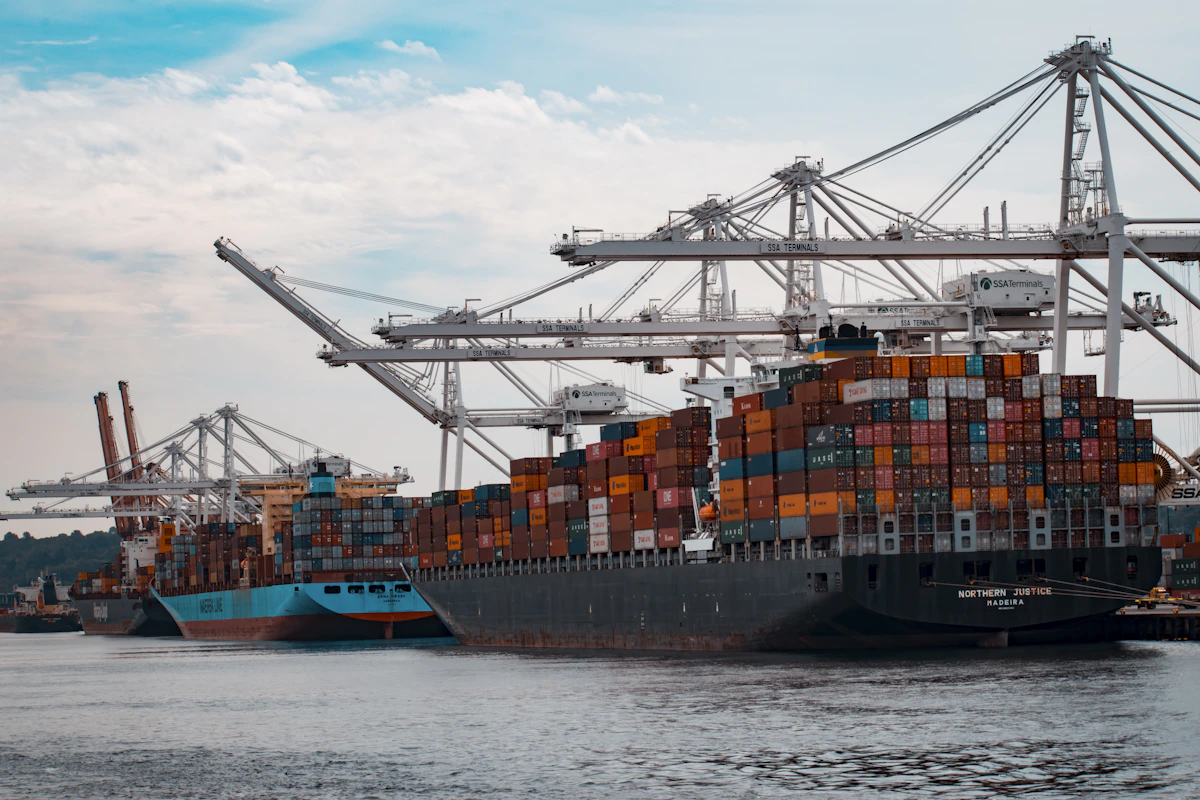
The most significant constraint on African trade is infrastructure. Cross-border trade within Africa is expensive — estimates suggest intra-African trade costs are 50-80% higher than equivalent transactions within Europe or Southeast Asia, driven primarily by poor road and rail networks, inefficient border crossing procedures, and inadequate port capacity outside South Africa, Egypt, and Kenya.
This infrastructure gap is being addressed with unprecedented investment. The African Development Bank has committed $25 billion to infrastructure investment over five years. China's Belt and Road Initiative has funded significant port and rail projects across East and West Africa. And a growing class of African infrastructure developers — including the Dangote Group and Meridian Port Services — is investing domestically.
The Digital Leapfrog Opportunity
Where physical infrastructure lags, digital infrastructure increasingly compensates. Mobile money penetration in Sub-Saharan Africa is the highest in the world — M-Pesa and its competitors process more transactions than traditional banks in many markets. Digital trade finance platforms are extending credit to companies that traditional banks cannot serve cost-effectively.
For trading companies with the willingness to operate in complex environments, Africa offers something increasingly rare in global markets: genuine first-mover advantage in large, growing markets where competition from established operators remains limited.
Our editors curate the most important stories every morning. Join 50,000+ professionals who start their day with Nexwire.
No spam. Unsubscribe any time.
James Thornton at Nexwire delivers expert analysis and breaking coverage across global markets, trade intelligence, and business strategy — combining deep industry expertise with rigorous reporting standards to provide actionable intelligence for business leaders worldwide.