The Commodities Supercycle Debate: Are We In One and Does It Matter?
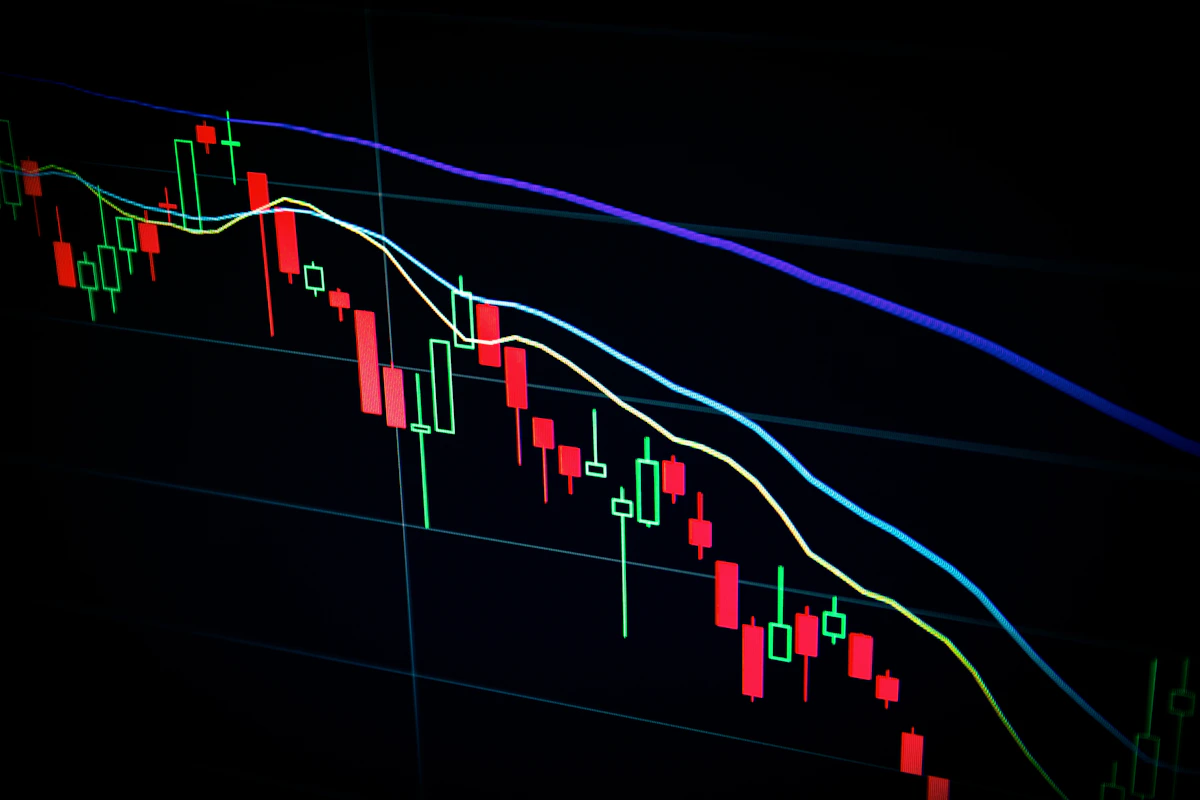
The term "commodities supercycle" is used loosely, but the underlying concept — a prolonged period of above-average commodity prices driven by structural demand shifts — has important implications for trading companies regardless of whether a textbook supercycle is underway.

Every decade or so, commodity market analysts begin debating whether a new supercycle is underway. The debates invariably generate more heat than light, partly because the term is used loosely and partly because it only becomes possible to identify a supercycle with confidence well after it has begun — by which time the trading opportunity has substantially passed.
The current debate centres on whether the combination of energy transition demand, supply underinvestment, and geopolitical fragmentation has created the conditions for a prolonged period of elevated commodity prices analogous to the 2002-2012 supercycle that was driven by Chinese industrialisation.
What a Supercycle Actually Means
A commodity supercycle, in the technical sense, is a prolonged period of above-trend commodity prices driven by structural demand shifts that take many years to elicit adequate supply responses. The key characteristic is duration — a supercycle lasts 15-20 years, not the 2-3 year price spikes that occur in normal business cycles.
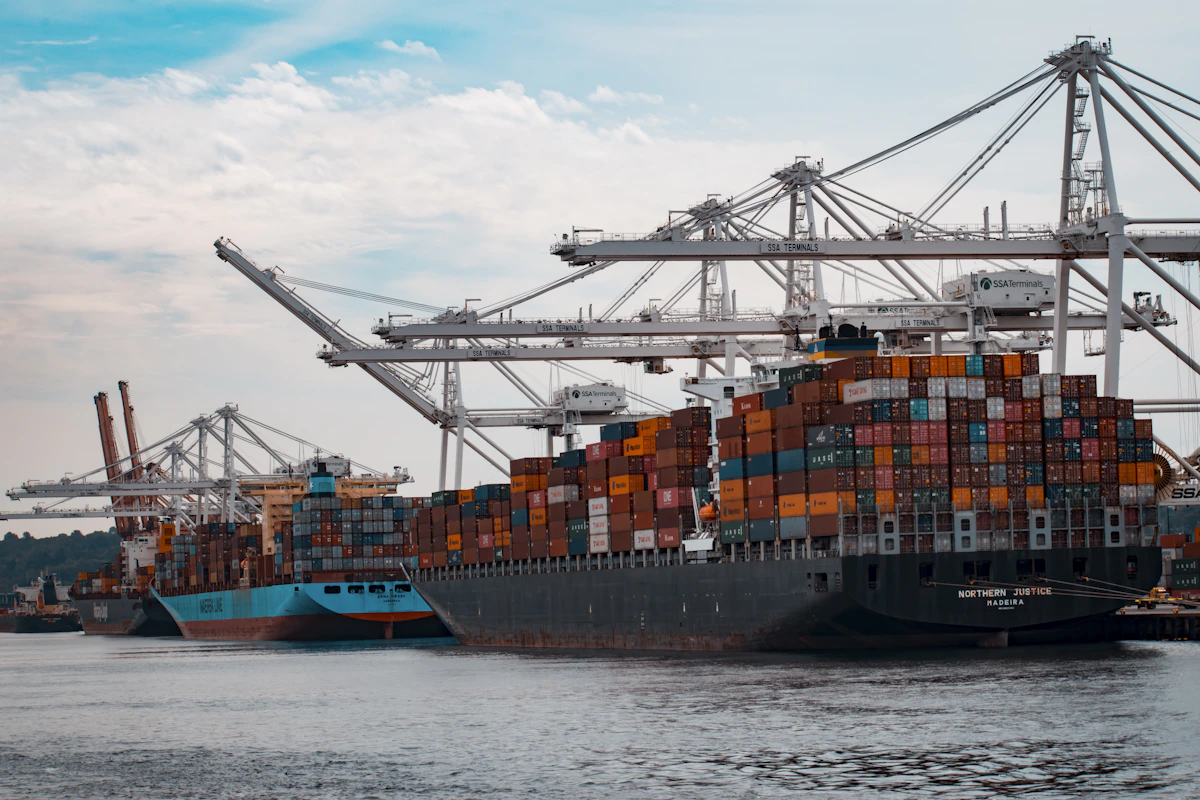
The 2002-2012 supercycle was driven by Chinese industrialisation. China's rapid construction of housing, infrastructure, and industrial capacity over a compressed period created demand for steel, copper, cement, and energy that the existing global supply system simply could not meet at existing prices. New mining, drilling, and agricultural production capacity took years to come online, keeping prices elevated for an extended period.
The Energy Transition Case
The primary argument for a new supercycle centres on the energy transition. Electrifying the global economy requires building an enormous physical infrastructure — solar panels, wind turbines, electric vehicle batteries, transmission lines, charging networks — that requires massive quantities of specific metals.
The IEA calculates that meeting climate targets would require the mining sector to produce more copper in the next 25 years than has been mined in the entire history of humanity. This scale of demand increase, combined with the long lead times required to bring new mining capacity online, creates the fundamental supply-demand mismatch that drives supercycle dynamics.
Our editors curate the most important stories every morning. Join 50,000+ professionals who start their day with Nexwire.
No spam. Unsubscribe any time.
Analysis Team at Nexwire delivers expert analysis and breaking coverage across global markets, trade intelligence, and business strategy — combining deep industry expertise with rigorous reporting standards to provide actionable intelligence for business leaders worldwide.