Digital Freight: How Technology is Transforming the $9 Trillion Shipping Industry
From AI-powered route optimisation to blockchain bill of lading platforms, technology is fundamentally changing how $9 trillion of goods move across the world's oceans — and creating winners and losers among freight forwarders, shipping lines, and trading companies.
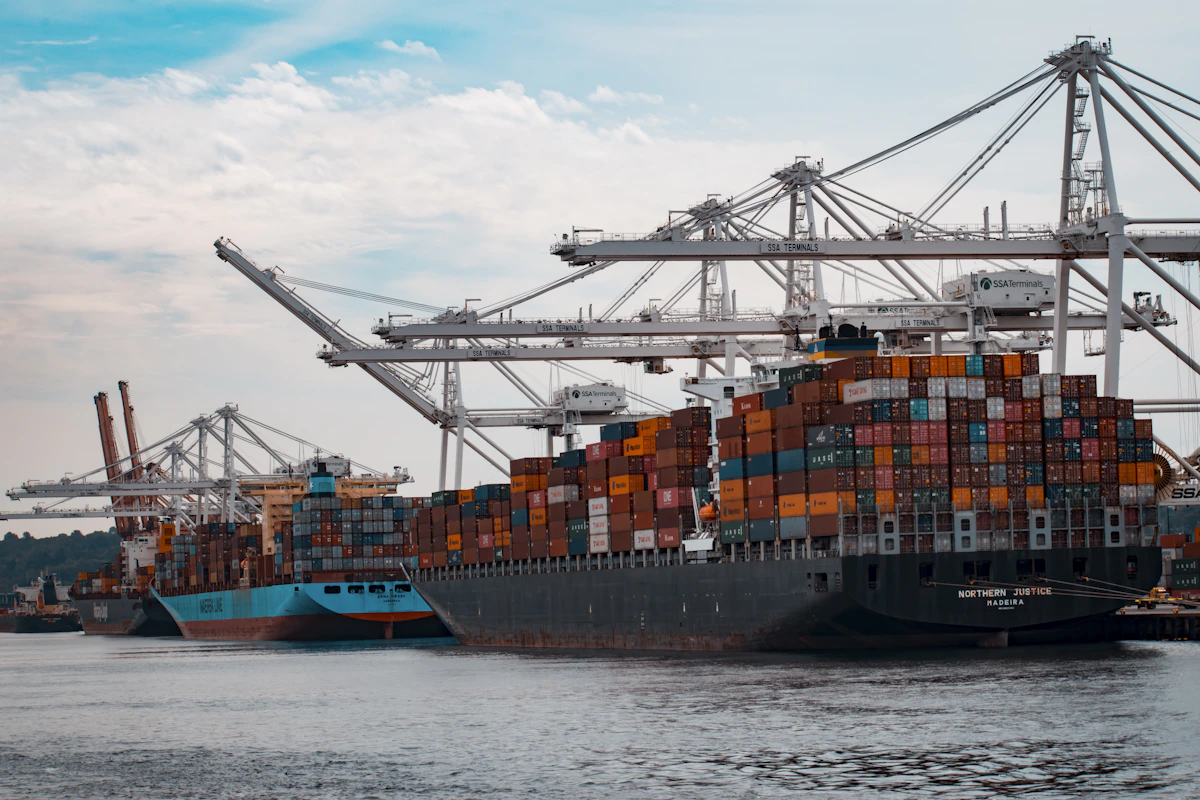
The global shipping and freight forwarding industry, which facilitates the movement of approximately $9 trillion of goods annually, is undergoing its most significant technological transformation since the containerisation revolution of the 1960s. The transformation is being driven by a combination of AI-powered operational optimisation, digital documentation platforms, and new market structures that are reducing friction and cost throughout the freight value chain.
For trading companies, the practical implications are already significant and will become more so over the next five years.
Route optimisation and dynamic pricing have improved dramatically. AI systems now process real-time data on vessel positions, port congestion, weather patterns, fuel prices, and demand conditions to optimise routing and pricing in ways that manual processes simply cannot match. The beneficiaries have been primarily large shippers with the scale to access sophisticated freight procurement platforms, but the technology is increasingly available to smaller operators through digital freight forwarder platforms.
Documentation digitalisation is eliminating significant costs and delays. Electronic bills of lading, which have the same legal standing as paper equivalents in an increasing number of jurisdictions, eliminate the physical document transport delay that has historically added days to trade finance processes. Companies like WaveBL, EdoxOnline, and the TradeLens platform (backed by Maersk and IBM before its discontinuation) have demonstrated the practical viability of digital trade documents at scale.
Market transparency has improved significantly. Online freight rate platforms now provide much better price visibility than the historically opaque bilateral negotiation processes that characterised freight procurement. For trading companies that previously relied on long-established freight forwarder relationships as their only window into market rates, digital platforms provide the price discovery tools to negotiate more effectively.
Our editors curate the most important stories every morning. Join 50,000+ professionals who start their day with Nexwire.
No spam. Unsubscribe any time.
Sarah Mitchell at Nexwire delivers expert analysis and breaking coverage across global markets, trade intelligence, and business strategy — combining deep industry expertise with rigorous reporting standards to provide actionable intelligence for business leaders worldwide.