Why the Middle East is Becoming the World's Most Important Trade Crossroads
Geopolitical shifts, deliberate economic diversification policies, and strategic geographic positioning are converging to make the Gulf region the critical nexus of 21st-century global commerce.

Three factors are simultaneously reshaping the Middle East's role in global trade: the deliberate diversification of Gulf Cooperation Council economies away from hydrocarbon dependency, the region's unique geographic position at the crossroads of Asian production and European consumption, and the accelerating fragmentation of global trade into regional blocs that requires new transit and storage infrastructure.
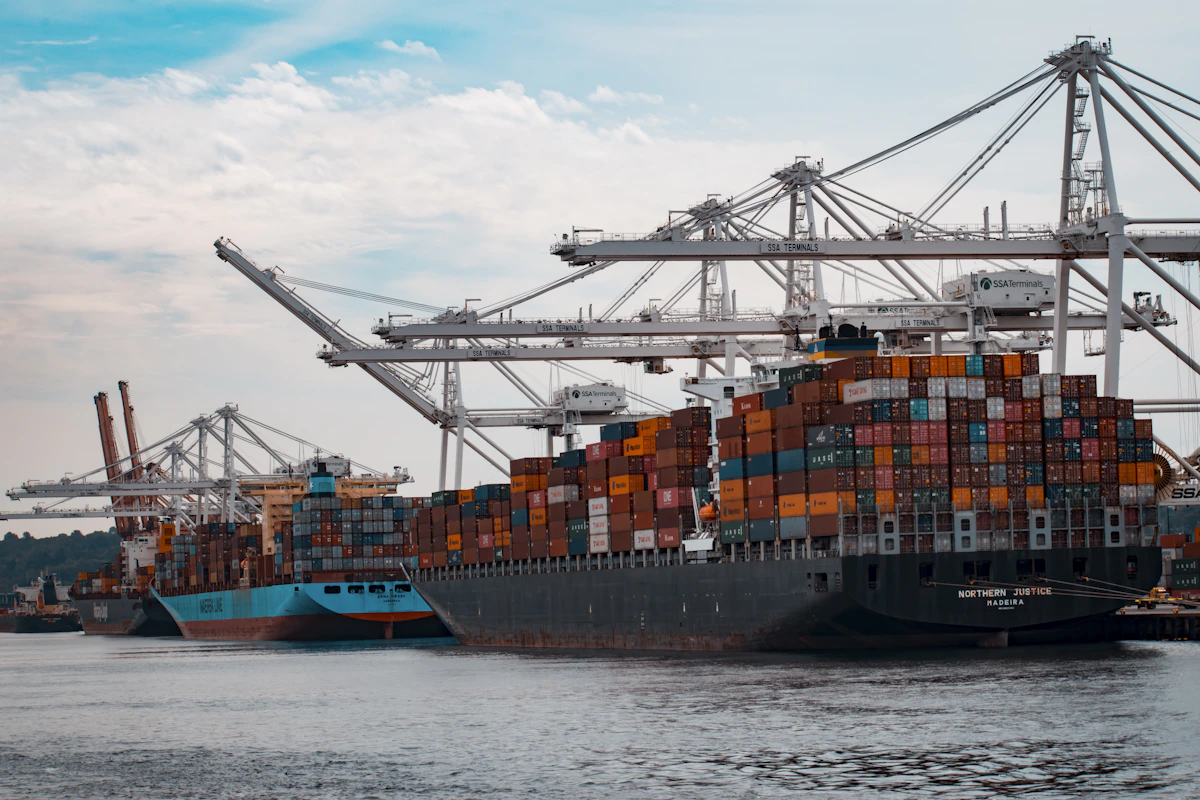
The result is a construction boom in logistics infrastructure — ports, warehouses, free zones, cold chain facilities — of a scale not seen since the post-oil-crisis building frenzy of the 1970s. Dubai alone is spending $35 billion on port and logistics infrastructure over the next decade. Saudi Arabia is building an entirely new logistics city, NEOM, designed from scratch with artificial intelligence-optimised supply chain management at its core.
The New Silk Road Passes Through the Gulf
China's Belt and Road Initiative has invested heavily in infrastructure connecting Central and South Asian production regions to Gulf transshipment hubs, creating new trade corridors that bypass traditional Western-controlled maritime chokepoints. Dubai's Jebel Ali port is now handling cargo from over 180 countries, with particular strength in routes connecting China, India, East Africa, and European markets.
For trading companies, the Gulf hubs offer a uniquely attractive combination of attributes: zero or low corporate taxation on qualifying income, world-class infrastructure, deep pools of trade finance capital, regulatory frameworks increasingly aligned with international standards, and physical proximity to the fastest-growing consumer markets in the world.
The Normalisation Factor
The Abraham Accords of 2020, which normalised diplomatic and commercial relations between Israel and several Arab nations, created new trade flows that are still in their early stages. Business between Israeli technology companies and Gulf sovereign wealth funds has accelerated. Supply chain integrations that were previously impossible are becoming routine.
More significantly, the broader normalisation trend in the region — with Saudi-Iran diplomatic engagement mediated by China and tentative progress on various long-running conflicts — is reducing the political risk premium that has historically deterred some multinational companies from regional investment.
For trading companies with existing Middle Eastern relationships, the current period represents an exceptional window to deepen market positions ahead of what many analysts believe will be a sustained period of strong regional growth. The combination of infrastructure investment, regulatory improvement, and demographic momentum in markets like Saudi Arabia and Egypt creates a compelling long-term commercial case.
Our editors curate the most important stories every morning. Join 50,000+ professionals who start their day with Nexwire.
No spam. Unsubscribe any time.
James Thornton at Nexwire delivers expert analysis and breaking coverage across global markets, trade intelligence, and business strategy — combining deep industry expertise with rigorous reporting standards to provide actionable intelligence for business leaders worldwide.