The New Silk Road: How China's Belt and Road Initiative Has Reshaped Global Trade Infrastructure
More than a decade after its launch, China's Belt and Road Initiative has fundamentally altered global trade infrastructure — building ports, railways, highways, and pipelines that have created new trade corridors and shifted geopolitical influence in ways that continue to unfold.
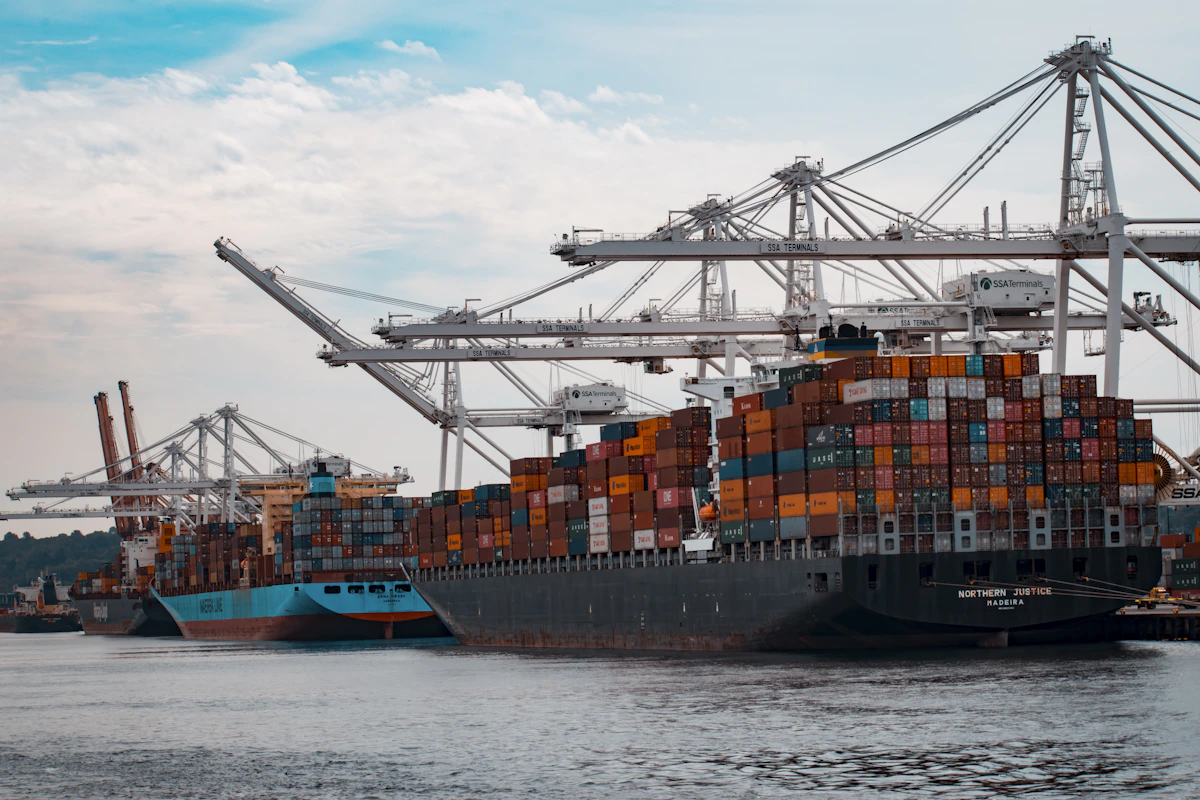
When President Xi Jinping announced the Belt and Road Initiative (BRI) in 2013, most Western observers treated it as an ambitious but vague aspiration. A decade later, the BRI has disbursed over $1 trillion in infrastructure investment across 140 countries, built more than 100 new port facilities, financed thousands of kilometres of rail and road, and fundamentally altered the geography of global trade infrastructure.\n\nThe scale of the achievement is remarkable even accounting for the considerable controversy that has accompanied it. No single national infrastructure investment programme in human history has affected so many countries over so compressed a time horizon. The closest historical analogies are the British Empire's Victorian railway construction and the post-World War II Marshall Plan — and the BRI dwarfs both in geographic scope.\n\nKEY INFRASTRUCTURE ACHIEVEMENTS\nThe China-Pakistan Economic Corridor (CPEC) is among the BRI's flagship projects, connecting China's Xinjiang province to Pakistan's deep-water Gwadar port on the Arabian Sea — creating a new trade route that bypasses the Strait of Malacca chokepoint that currently routes most Chinese maritime trade.\n\nIn East Africa, the Chinese-built Standard Gauge Railway connecting Mombasa to Nairobi (and planned to extend to landlocked countries) has dramatically reduced freight costs and times on a corridor that previously relied on century-old colonial-era rail infrastructure.\n\nThe network of BRI-financed ports — in Sri Lanka, Bangladesh, Kenya, Tanzania, Mozambique, Greece, and elsewhere — has created Chinese operational presences at strategic maritime chokepoints around the world, prompting concerns in Western capitals about the military and intelligence implications alongside the commercial rationale.
Our editors curate the most important stories every morning. Join 50,000+ professionals who start their day with Nexwire.
No spam. Unsubscribe any time.
Sarah Mitchell at Nexwire delivers expert analysis and breaking coverage across global markets, trade intelligence, and business strategy — combining deep industry expertise with rigorous reporting standards to provide actionable intelligence for business leaders worldwide.