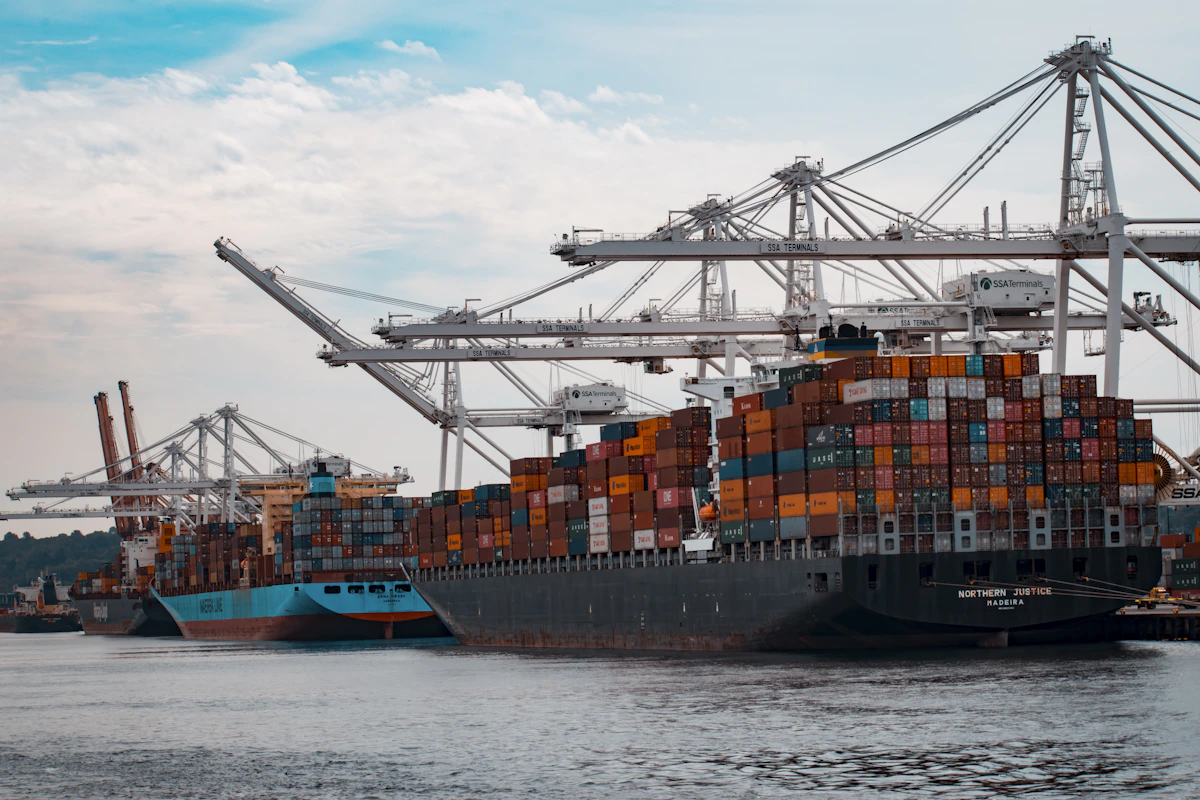
The Death of the 40-Foot Container as We Know It: How Smart Containers Are Transforming Shipping
The humble shipping container, unchanged in its essential design since Malcolm McLean's 1956 innovation, is undergoing its most significant transformation in seven decades as sensors, connectivity, and artificial intelligence convert it into an intelligent logistics unit.

The ISO standard shipping container is one of the most consequential innovations in trade history. Standardising the steel box that moves goods around the world reduced cargo handling costs by 97%, enabled the globalisation of manufacturing supply chains, and drove decades of trade-led economic growth. Yet the container itself — a steel box in 20-foot or 40-foot variants — has remained essentially unchanged since the 1960s.
That stasis is ending. The smart container — equipped with sensors, GPS tracking, temperature monitoring, shock detection, humidity measurement, and cellular connectivity — is transforming the humble box into an intelligent logistics unit that transmits real-time data throughout its journey from factory to final destination.
The commercial impact is substantial. Traditional container shipping operated in near-total information darkness: once a container was sealed and loaded, its contents were essentially invisible until it reached the destination. Damage, spoilage, theft, delay, and temperature excursions were discovered only on arrival, when remediation options were limited.
Smart containers change this fundamentally. Real-time sensor data allows shippers to monitor cargo condition continuously, identify problems early enough to intervene, provide customers with verified delivery information, and generate the data needed to dispute liability when damage occurs.
THE ECONOMICS OF CONNECTIVITY
The cost of smart container technology has fallen dramatically. First-generation tracking devices cost hundreds of dollars per unit; current generation cellular-connected IoT devices cost under $30, making widespread deployment economically viable even for commodity cargo.
Major container shipping companies including Maersk, CMA CGM, and MSC have all announced plans to equip significant proportions of their fleets with smart container technology. Maersk's target of 500,000 smart containers by 2026 would represent approximately 15% of the company's total fleet.
IMPLICATIONS FOR TRADING COMPANIES
For trading companies that depend on container shipping, smart containers offer practical benefits: real-time visibility enables proactive customer communication about delivery timing; condition monitoring reduces spoilage claims disputes; and verified chain-of-custody data strengthens provenance claims for premium products.
Our editors curate the most important stories every morning. Join 50,000+ professionals who start their day with Nexwire.
No spam. Unsubscribe any time.
James Thornton at Nexwire delivers expert analysis and breaking coverage across global markets, trade intelligence, and business strategy — combining deep industry expertise with rigorous reporting standards to provide actionable intelligence for business leaders worldwide.