Vietnam's Manufacturing Miracle: How a $400 Billion Export Economy Was Built in 30 Years
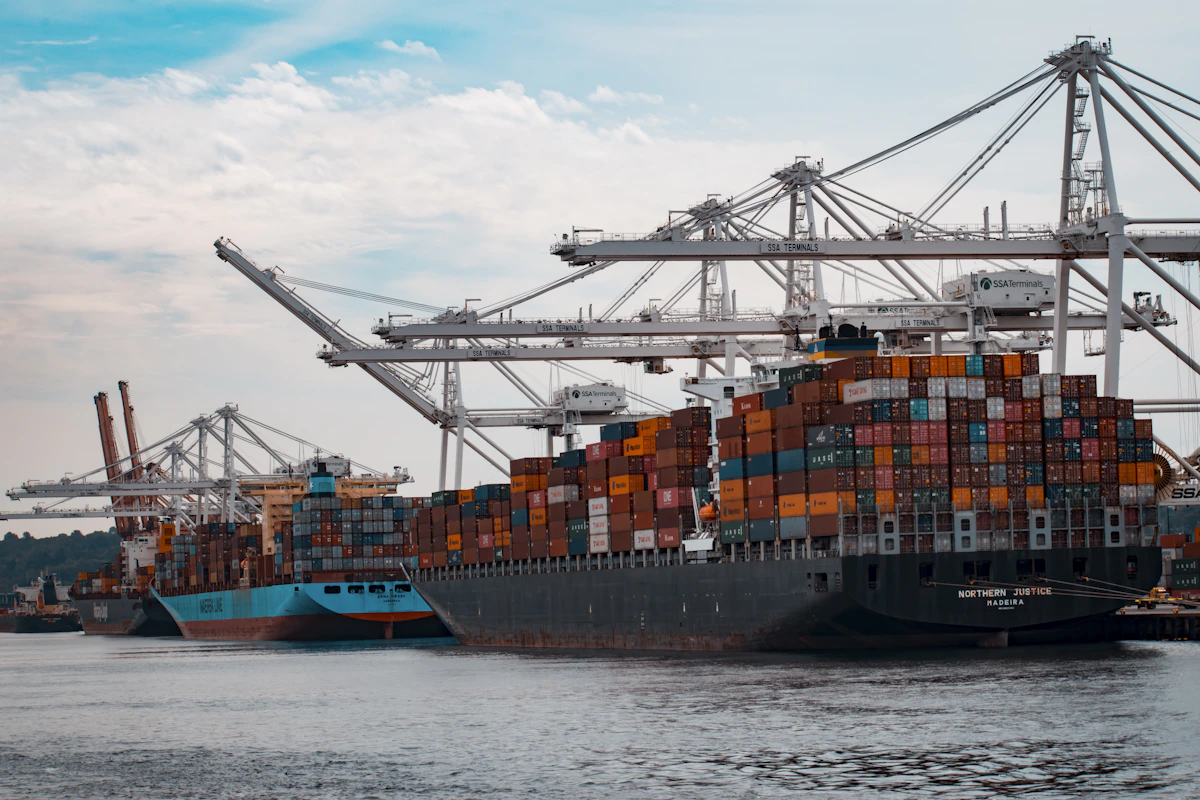
Vietnam's transformation from one of the world's poorest agricultural economies to a $400 billion export powerhouse in three decades is one of the most remarkable industrial development stories in history — and it is far from over.

In 1986, Vietnam launched Doi Moi — literally "renovation" — a series of market-oriented reforms that opened the country to foreign investment, liberalised agricultural land rights, and began dismantling the centrally planned economy. At the time, Vietnam was among the poorest countries in the world, with a per capita GDP of under $100 and an economy devastated by decades of war and isolation.
Forty years later, Vietnam is a $400 billion export economy, the world's second-largest producer of coffee, the third-largest producer of cashew nuts, the largest producer of black pepper, and a major exporter of electronics, textiles, footwear, and machinery. Samsung manufactures more phones in Vietnam than in any other country. Intel has its largest assembly and test facility there. Apple has begun transitioning significant iPad and AirPods production to Vietnamese factories.
The Investment Attraction Formula
Vietnam's success in attracting manufacturing investment rests on a combination of factors that have proven exceptionally durable. Labour costs remain significantly below Chinese levels despite decades of rapid wage growth, with average manufacturing wages approximately 30-40% of comparable Chinese rates. The workforce is young, well-educated, and highly motivated — Vietnam's adult literacy rate exceeds 95%, and the country consistently outperforms peers on international educational assessments.
Political stability under the Vietnamese Communist Party has provided a predictable operating environment for foreign investors. The government has demonstrated a pragmatic commitment to export-led development that has translated into consistently business-friendly industrial policies, including industrial park development, infrastructure investment, and a network of free trade agreements covering most of Vietnam's major export markets.
The China Plus One Accelerant
The US-China trade war that began in 2018 dramatically accelerated the trends that had been building for a decade. Companies across electronics, furniture, textiles, and industrial goods that had been planning gradual supply chain diversification were suddenly facing 25% tariffs on Chinese goods and began moving significantly faster.
Vietnam was the primary beneficiary. Between 2017 and 2023, Vietnam's share of US goods imports more than doubled, while China's share fell significantly. The data suggests that a meaningful portion of this shift is structural rather than cyclical — factories have been built, workers trained, and supplier networks developed in ways that would be costly to reverse.
Our editors curate the most important stories every morning. Join 50,000+ professionals who start their day with Nexwire.
No spam. Unsubscribe any time.
Sarah Mitchell at Nexwire delivers expert analysis and breaking coverage across global markets, trade intelligence, and business strategy — combining deep industry expertise with rigorous reporting standards to provide actionable intelligence for business leaders worldwide.